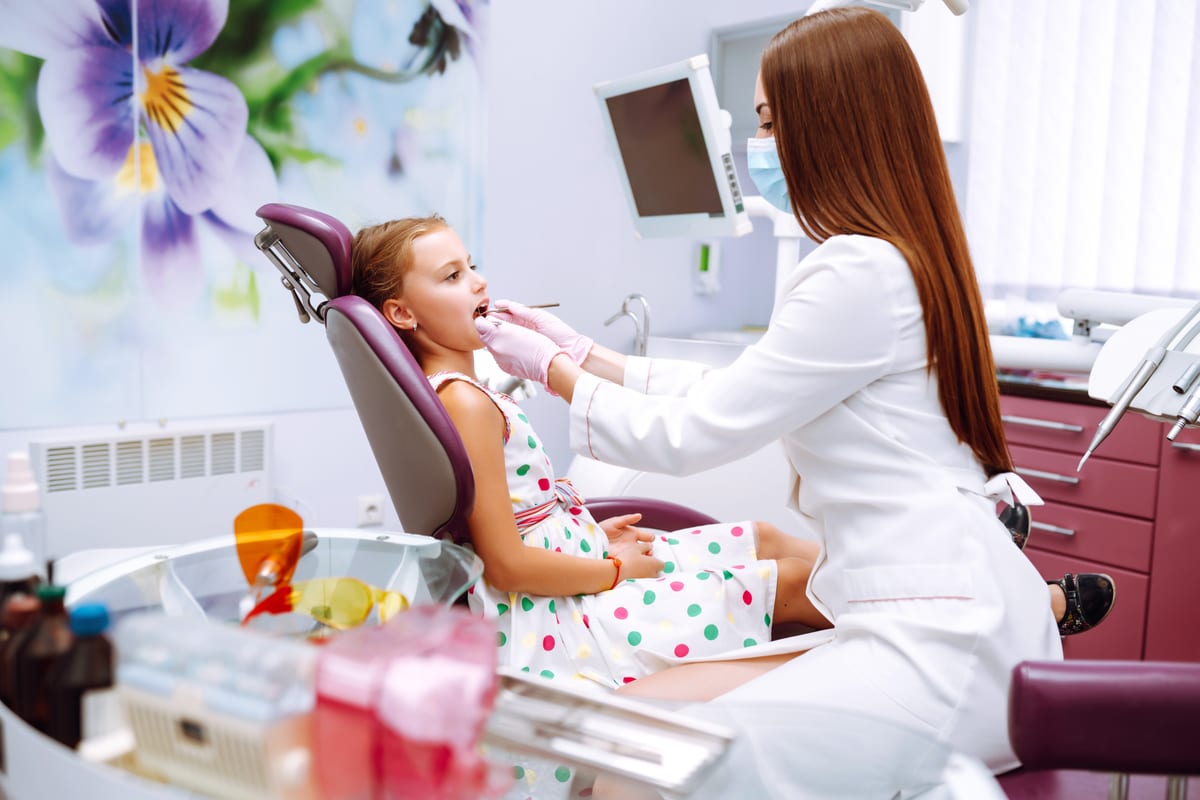
If you've ever typed cheap dentist near me into a search bar, you're far from alone. According to the American Dental Association's 2025 Health Policy Institute report, nearly 40% of adults in the United States skipped at least one dental visit in the past year due to cost concerns. Dental care can feel out of reach — but the truth is, affordable options exist in almost every community. The key is knowing exactly where to look, what to ask, and how to distinguish genuinely low-cost care from care that cuts dangerous corners. This guide walks you through everything you need to know to protect both your smile and your wallet.
Why Dental Care Seems So Expensive (And Why It Doesn't Have To Be)
Before you can find affordable dental care, it helps to understand why prices vary so dramatically. A routine cleaning can cost anywhere from $75 to $300+ depending on your location, the dentist's credentials, and whether you have insurance. A single dental crown can run between $800 and $1,800 out of pocket. These numbers are daunting, but they aren't fixed — and a large portion of what you pay reflects overhead costs, practice location, and billing structures rather than the actual quality of care delivered.
The Hidden Cost of Avoiding the Dentist
Ironically, skipping dental visits to save money almost always costs more in the long run. A small cavity that could be treated for $150–$250 can progress into a root canal ($700–$1,500) or an extraction and implant ($3,000–$5,000) within just a year or two. Preventive care — cleanings, X-rays, and checkups — is where you get the most value per dollar spent. Finding an affordable dentist for regular maintenance is one of the smartest financial decisions you can make for your overall health.
What "Cheap" Really Means in Dentistry
The word "cheap" carries some baggage, but in the context of dental care, it simply means cost-effective. A great affordable dentist uses the same sterilization standards, the same materials, and the same clinical techniques as a higher-priced practice — they just operate leaner, accept more payment options, or serve a community-focused mission. Price alone is never an indicator of quality, and quality alone is never a reason to go without care.
Top Ways to Find a Cheap Dentist Near You
Finding a low-cost dentist in your area doesn't require luck — it requires a strategy. Here are the most reliable avenues to explore, ranked by accessibility.
1. Community Health Centers and Federally Qualified Health Centers (FQHCs)
Federally Qualified Health Centers are government-supported clinics that offer dental services on a sliding fee scale based on your income. In 2026, there are over 1,400 FQHC organizations across the U.S. operating more than 14,000 care sites. You don't need insurance to be seen, and many patients pay as little as $20–$40 per visit. Use the HRSA Health Center Finder at findahealthcenter.hrsa.gov to locate one near you. These centers employ licensed dentists and dental hygienists and are subject to the same regulatory standards as private practices.
2. Dental School Clinics
Dental school clinics are one of the best-kept secrets in affordable oral healthcare. Supervised by experienced faculty dentists, dental students provide services at 50–70% below standard market rates. A cleaning that costs $200 at a private practice might run $40–$60 at a dental school clinic. Procedures like fillings, extractions, crowns, and even orthodontic treatment are all available. Yes, appointments take longer — but the quality is closely supervised, and the savings are real. Search for accredited dental schools through the American Dental Education Association's directory.
3. Dental Discount Plans
Dental discount plans (also called dental savings plans) are not insurance — but they work surprisingly well for cost-conscious patients. You pay an annual membership fee (typically $80–$200/year for an individual) and receive immediate access to discounted rates at participating dentists, usually 10–60% off listed prices. Unlike insurance, there are no waiting periods, no annual maximums, and no claims to file. Plans like Careington, Aetna Dental Access, and DentalPlans.com are widely used and accepted at thousands of locations nationwide.
Making the Most of Dental Insurance (Even If You Have Limited Coverage)
If you have dental insurance — through an employer, a marketplace plan, or Medicaid — understanding your benefits is essential to minimising out-of-pocket costs. Many people leave money on the table simply because they don't know what's covered.
Maximise Your Annual Benefits
Most dental insurance plans reset every January 1st, with an annual maximum benefit of $1,000–$2,000. If you haven't used your full benefit by year-end, that money simply disappears. Scheduling two cleanings per year (usually 100% covered), addressing any outstanding fillings before the reset, and timing larger procedures strategically across two benefit years can dramatically reduce your net costs. Always call your insurer before treatment to confirm coverage and get a pre-treatment estimate from your dentist.
Medicaid and CHIP for Families
If you qualify for Medicaid, dental coverage for children is mandatory under federal law through the Children's Health Insurance Program (CHIP). Adult Medicaid dental benefits vary by state — some states offer comprehensive coverage, while others provide emergency-only services. In 2026, following advocacy from dental access groups, over 30 states now offer at least some level of adult dental Medicaid benefits. Check your state's Medicaid portal or call 1-800-318-2596 to find out exactly what you're entitled to.
Questions to Ask Before Choosing an Affordable Dentist
Not all budget dental options are created equal. Before committing to any provider, it pays to ask the right questions to ensure you're getting genuine value — not just a low price.
- Is the dentist licensed and in good standing? Verify credentials through your state dental board's online lookup tool.
- What payment plans are available? Many private practices offer in-house payment plans or work with third-party financing like CareCredit or Sunbit with 0% APR promotional periods.
- Do they offer a new patient special? Many dentists offer discounted or even free first exams and X-rays to attract new patients. In 2026, it's common to find new patient packages ranging from $49–$99 that include an exam, full X-rays, and a cleaning.
- What are the fees for the most common procedures? Ask for a written fee schedule. A transparent practice has nothing to hide.
- Do they accept your insurance or discount plan? Always confirm in-network status before your appointment to avoid surprise bills.
Red Flags to Watch Out For
While the vast majority of affordable dentists are excellent clinicians, a small number of budget practices do cut corners. Watch out for: pressure to undergo expensive treatment immediately without explanation, no digital X-rays or outdated equipment, reluctance to provide written treatment estimates, or lack of sterilization documentation. A genuinely affordable dentist will be transparent, communicative, and willing to discuss all your options — including doing nothing or phasing treatment over time to fit your budget.
Additional Strategies to Reduce Your Dental Bills
Beyond finding the right provider, there are practical steps you can take right now to lower what you spend on dental care each year.
Prioritise Prevention to Slash Long-Term Costs
The single most cost-effective dental strategy is prevention. Brushing twice daily with fluoride toothpaste, flossing daily, and using a fluoride mouthwash can prevent the majority of cavities and gum disease. The ADA estimates that every $1 spent on preventive dental care saves up to $50 in restorative and emergency procedures. If you're prone to grinding (bruxism), a custom night guard ($300–$600 from a dentist, or $25–$80 over-the-counter) can prevent thousands of dollars in cracked-tooth repairs. Small habits now equal enormous savings later.
Use an FSA or HSA to Pay Pre-Tax Dollars
If your employer offers a Flexible Spending Account (FSA) or Health Savings Account (HSA), these are powerful tools for reducing dental costs. Contributions are made pre-tax, meaning you effectively get a 22–37% discount on every dollar spent on eligible dental expenses — including braces, implants, whitening when medically necessary, and routine care. In 2026, the IRS FSA contribution limit is $3,300 and the HSA individual limit is $4,300. Maximising these accounts can save a family hundreds of dollars per year on dental spending alone.
Frequently Asked Questions
How do I find a legitimate cheap dentist near me?
Start with verified directories like Top5Dentists.com, the ADA's Find-a-Dentist tool, or HRSA's Health Center Finder. You can also ask your local hospital, community centre, or employer HR department for referrals. Always verify the dentist's license through your state dental board before your first appointment.
Are dental school clinics safe?
Yes. Dental school clinics are among the safest and most thoroughly supervised environments in dentistry. Every procedure performed by a dental student is reviewed and approved by a licensed, experienced faculty dentist. Treatment simply takes longer than at a private practice, but the clinical outcomes are comparable.
What is the cheapest way to fix a cavity?
A composite (tooth-coloured) filling is typically the most affordable cavity treatment, ranging from $90–$250 per tooth depending on size and location. Catching cavities early through regular checkups keeps costs at the lower end. Community health centres and dental schools offer fillings at significantly reduced rates for eligible patients.
Can I get free dental care if I have no income?
Potentially, yes. Federally Qualified Health Centers offer sliding-scale fees that can reduce costs to near-zero for very low-income patients. Additionally, many dental schools offer free or heavily discounted care during community outreach days. Organisations like Give Kids A Smile (for children) and Mission of Mercy events offer free dental care to underserved adults nationwide.
Do dental discount plans really save money?
For people without insurance, dental discount plans almost always offer meaningful savings. An individual plan costing $150/year that saves you 30% on a $700 crown has already paid for itself many times over. The key is confirming that your preferred dentist participates in the plan before enrolling.
How often should I see a dentist to keep costs low?
For most adults, twice-yearly checkups and cleanings represent the sweet spot between prevention and cost. High-risk patients (those prone to cavities, gum disease, or with diabetes or dry mouth) may benefit from three or four visits per year. Your dentist can advise a schedule tailored to your specific risk profile.
Start Finding Affordable Dental Care Today
Affordable, high-quality dental care is not a myth — it's a reality for millions of Americans who know where to look and what questions to ask. Whether you explore a community health centre, enrol in a dental discount plan, schedule at a dental school clinic, or simply maximise the benefits you're already paying for, the path to a healthier smile at a lower cost is well within reach. Don't let price anxiety keep you out of the dental chair; the cost of prevention will always be a fraction of the cost of neglect. Ready to find a trusted, affordable dentist in your area right now? Visit Top5Dentists.com to search verified, highly rated dentists near you — and take the first step toward better oral health without the financial stress.