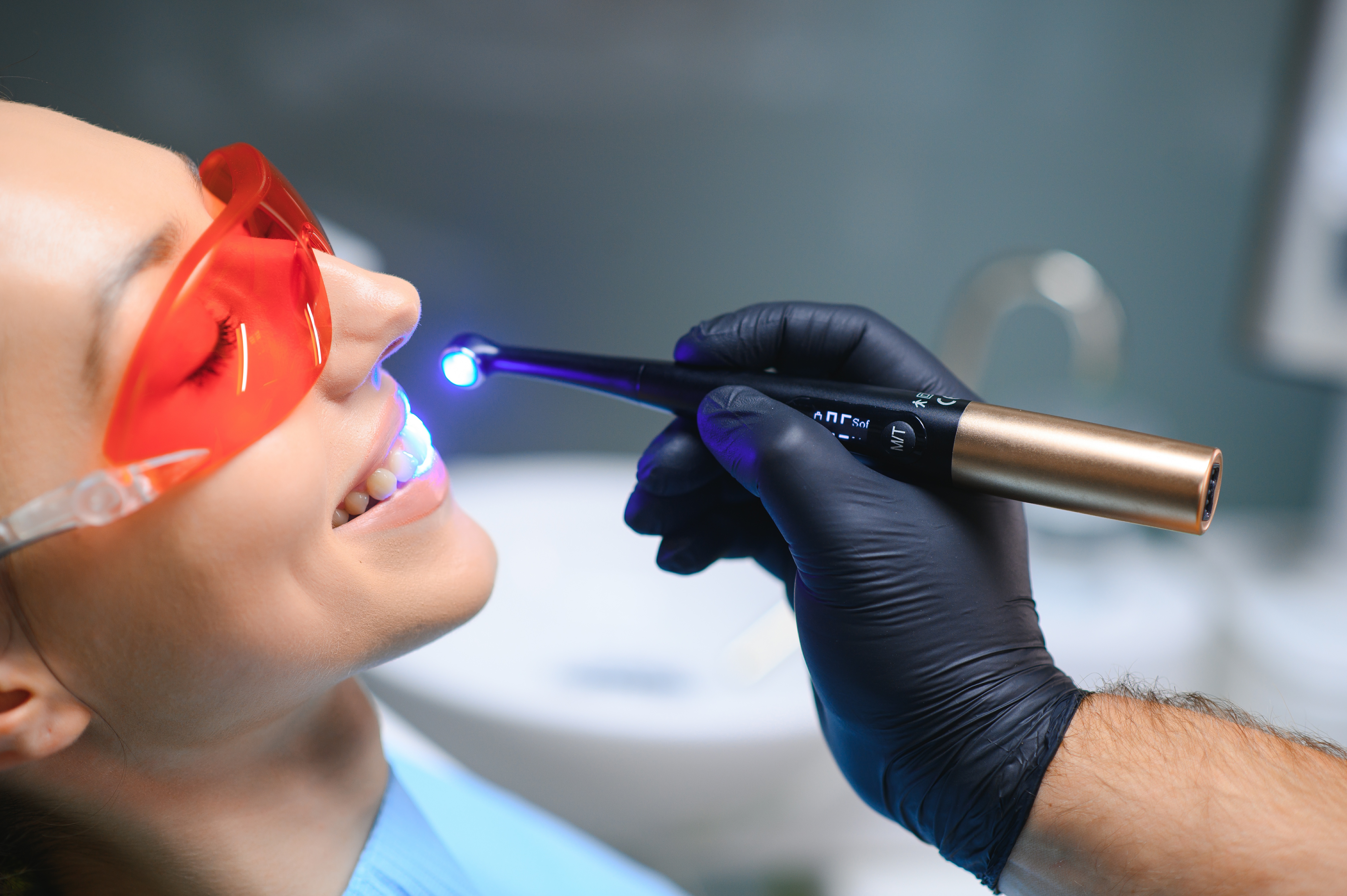
Whether you've just moved to a new city, lost your previous provider, or are finally ready to tackle long-overdue dental work, the search for a dentist near me is one of the most common — and most important — health-related searches people make. Finding the right local dentist isn't just about convenience. It's about building a long-term relationship with a professional who understands your oral health history, your comfort level, and your budget. This guide walks you through everything you need to know: how to search smartly, what questions to ask, what procedures to expect, and how to make dental care affordable in 2026.
How to Find a Reliable Dentist Near You
A quick online search will return dozens of results, but not all dental practices are created equal. Knowing where to look — and what to look for — saves you time, money, and potential headaches down the road.
Start With Trusted Directories and Reviews
Dental directories and review platforms are your best first stop. Websites like Top5Dentists.com curate and rank local dental providers based on patient reviews, credentials, and practice quality, so you're not just scrolling through anonymous listings. When browsing profiles, pay attention to:
- Google rating and review volume — A dentist with 4.7 stars across 300+ reviews is a stronger signal than one with 5 stars from 12 reviewers.
- Recency of reviews — Look for consistent feedback within the last 12 months.
- Response to negative reviews — A professional, empathetic reply to a complaint says a lot about how a practice handles problems.
- Before-and-after photos — Especially relevant if you're seeking cosmetic work like veneers or teeth whitening.
Word-of-mouth referrals still matter, too. Ask coworkers, neighbours, or your family doctor for recommendations — personal experience from someone you trust remains one of the most reliable filters available.
Verify Credentials and Specialisations
Not every dental need requires a general dentist. If you're looking for orthodontic treatment, your child needs a paediatric specialist, or you require oral surgery, make sure the practice you choose has the right credentials. In the United States, dentists must hold a Doctor of Dental Surgery (DDS) or Doctor of Dental Medicine (DMD) degree and be licensed in their state. Specialists complete an additional two to six years of postgraduate training. You can verify a dentist's license through your state dental board website — it takes under two minutes and is always worth doing.
What to Expect at Your First Dental Appointment
Many people avoid booking an appointment simply because they don't know what's coming. Understanding the process removes a lot of that uncertainty — and for those dealing with dental anxiety, familiarity is genuinely calming.
The New Patient Exam
Your first visit to a local dentist typically follows a predictable structure. You'll be asked to complete a health history form covering medications, allergies, and any existing conditions (like diabetes or heart disease) that can affect oral health. The dentist will then perform a comprehensive exam that includes:
- Oral cancer screening — A visual and physical check of your lips, tongue, throat, and jaw.
- Periodontal assessment — Measuring the depth of the pockets between your teeth and gums to detect signs of gum disease.
- X-rays — Typically bitewing and periapical X-rays to identify cavities, bone loss, or impacted teeth not visible to the naked eye.
- Bite and jaw evaluation — Checking for signs of grinding (bruxism) or misalignment.
The appointment usually concludes with a professional cleaning by a dental hygienist and a personalised treatment plan if any issues are found. Budget between 60 and 90 minutes for a thorough new patient visit.
Routine Checkups vs. Specialist Referrals
Most adults need a dental checkup every six months, though your dentist may recommend quarterly visits if you have a history of gum disease or are undergoing orthodontic treatment. If a problem exceeds a general dentist's scope — such as a complex extraction, root canal, or significant bite correction — you'll receive a referral to an appropriate specialist. A good general dentist acts as the quarterback of your overall oral health, coordinating care and keeping your records centralised.
Common Dental Procedures and What They Cost in 2026
Cost is one of the biggest barriers to dental care in the United States. Understanding typical price ranges helps you plan, budget, and avoid sticker shock at the front desk. The figures below reflect national averages for 2026 and will vary by location, practice type, and insurance status.
Preventive and Restorative Treatments
Preventive care is always the most cost-effective investment you can make in your oral health:
- Routine cleaning (prophylaxis): $80–$200 without insurance; often fully covered under preventive benefits.
- Dental X-rays (full set): $100–$250; typically covered once a year by most plans.
- Composite (tooth-coloured) filling: $150–$300 per tooth.
- Dental crown: $1,000–$1,800 per tooth, depending on material (porcelain, zirconia, or metal).
- Root canal treatment: $800–$1,500 for a molar; higher with a specialist (endodontist).
- Tooth extraction (simple): $150–$350; surgical extractions (e.g., wisdom teeth) range from $300–$700 per tooth.
Cosmetic Dentistry Costs
Cosmetic procedures are rarely covered by insurance but are increasingly popular for the confidence boost they provide:
- Professional teeth whitening (in-office): $400–$800 per session.
- Porcelain veneers: $900–$2,500 per tooth.
- Dental implants: $3,000–$5,500 per implant (including crown and abutment).
- Clear aligner treatment (e.g., Invisalign): $3,500–$8,000 depending on complexity.
Many practices offer in-house financing or third-party payment plans (such as CareCredit or Sunbit) to spread costs over 12–24 months, often interest-free. Always ask about payment options before assuming a treatment is out of reach.
Navigating Dental Insurance and Affordable Care Options
Dental insurance in the United States typically follows a 100-80-50 structure: 100% coverage for preventive care, 80% for basic restorative work, and 50% for major procedures — up to an annual maximum that usually ranges from $1,000 to $2,000. Once you hit that cap, you pay out of pocket for the rest of the year.
What If You Don't Have Dental Insurance?
Approximately 68 million Americans have no dental coverage, according to 2025 data from the American Dental Association. If that includes you, you still have viable options:
- Dental savings plans (discount plans): An annual membership fee (typically $80–$200) grants you 10–60% discounts at participating dentists. These are not insurance but can significantly reduce out-of-pocket costs.
- Community health centres (FQHCs): Federally funded clinics offer sliding-scale fees based on income. Find one at findahealthcenter.hrsa.gov.
- Dental school clinics: Treatment performed by supervised dental students costs 40–70% less than private practice rates and maintains a high standard of care.
- Negotiating directly: Many private practices offer a cash-pay discount of 5–15% if you pay at the time of service. It never hurts to ask.
Special Considerations: Children, Dental Anxiety, and Seniors
Dental needs vary significantly across different life stages, and a one-size-fits-all approach rarely works.
Paediatric Dentistry: Starting Early
The American Academy of Pediatric Dentistry recommends that a child visit a dentist by their first birthday or within six months of their first tooth erupting. Early visits establish positive associations with dental care, monitor development, and catch issues like early childhood cavities before they escalate. Look for a paediatric dentist (pedodontist) if your child has significant anxiety, special healthcare needs, or complex dental concerns — their offices are specifically designed and staffed to put young patients at ease.
Managing Dental Anxiety
Dental anxiety affects an estimated 36% of the population, with roughly 12% experiencing extreme dental fear. If this resonates with you, know that modern dentistry has come a long way. Sedation options — from mild nitrous oxide (laughing gas) to oral conscious sedation and even IV sedation — are widely available at many general practices. When searching for a local dentist, filtering by "sedation dentistry" or "anxiety-friendly" can make a transformative difference to your experience. Be upfront with your dentist about your fears; a good provider will adjust their communication style and pacing accordingly.
Senior Dental Health
Adults over 65 face unique challenges: dry mouth from medications, increased risk of root cavities, gum disease, and tooth loss. Medicare (Parts A and B) traditionally does not cover routine dental care, though Medicare Advantage plans increasingly include dental benefits. Seniors should actively compare plan options during open enrollment and ask local dentists about senior discounts or payment plans tailored to fixed incomes.
Frequently Asked Questions
How do I find a dentist near me that accepts my insurance?
The fastest method is to call your insurance provider's member services line and request a list of in-network dentists in your zip code — most insurers also have an online provider finder. Alternatively, use dental directories that allow you to filter by insurance type. Always call the practice directly to confirm they are currently accepting your plan, as provider networks change frequently.
How often should I see a dentist?
The standard recommendation for most healthy adults is every six months for a checkup and cleaning. However, your dentist may suggest more frequent visits — every three to four months — if you have active gum disease, a history of frequent cavities, or are pregnant. Children and seniors may also benefit from more regular monitoring. Follow your dentist's personalised recommendation over any general guideline.
What should I do in a dental emergency?
If you experience a knocked-out tooth, severe toothache, broken crown, or dental abscess, contact a local emergency dentist immediately — do not wait for a regular appointment. If your tooth has been knocked out, handle it by the crown (not the root), rinse it gently, and try to reinsert it into the socket or store it in milk while you travel to the clinic. Time is critical: a knocked-out tooth has the best chance of being saved within 30 minutes of the injury.
Are dental X-rays safe?
Yes. Modern digital dental X-rays expose patients to extremely low levels of radiation — roughly equivalent to the natural background radiation you receive during a one-to-two-hour flight. Lead aprons and thyroid collars further reduce exposure. Your dentist will only recommend X-rays when clinically necessary, and the diagnostic benefit far outweighs the minimal risk for most patients.
How can I make dental care more affordable without insurance?
Consider joining a dental savings plan, visiting a dental school clinic, or asking your dentist about in-house membership plans (many practices now offer these directly). For larger treatments, request an itemised treatment plan and ask which items are most urgent — this lets you prioritise care and spread costs over time without skipping essential treatment.
What's the difference between a general dentist and a specialist?
A general dentist is your primary oral health provider, handling everything from cleanings and fillings to crowns and whitening. Dental specialists have completed additional residency training in a focused area: orthodontists (braces and alignment), periodontists (gum disease), endodontists (root canals), oral surgeons (extractions and implants), and paediatric dentists (children's dentistry). Your general dentist will refer you to a specialist when a case exceeds general practice scope.
Conclusion: Take the First Step Toward Better Oral Health
Finding the right local dentist is one of the most impactful decisions you can make for your long-term health. From routine cleanings that prevent costly problems to cosmetic treatments that restore your confidence, quality dental care is more accessible than many people realise — especially when you know where to look and what to ask. Don't let cost uncertainty, dental anxiety, or simply not knowing where to start keep you from the care you deserve. Begin your search today with a trusted resource that does the vetting for you. Visit Top5Dentists.com to discover top-rated dentists in your area, compare patient reviews, and book your appointment with confidence.