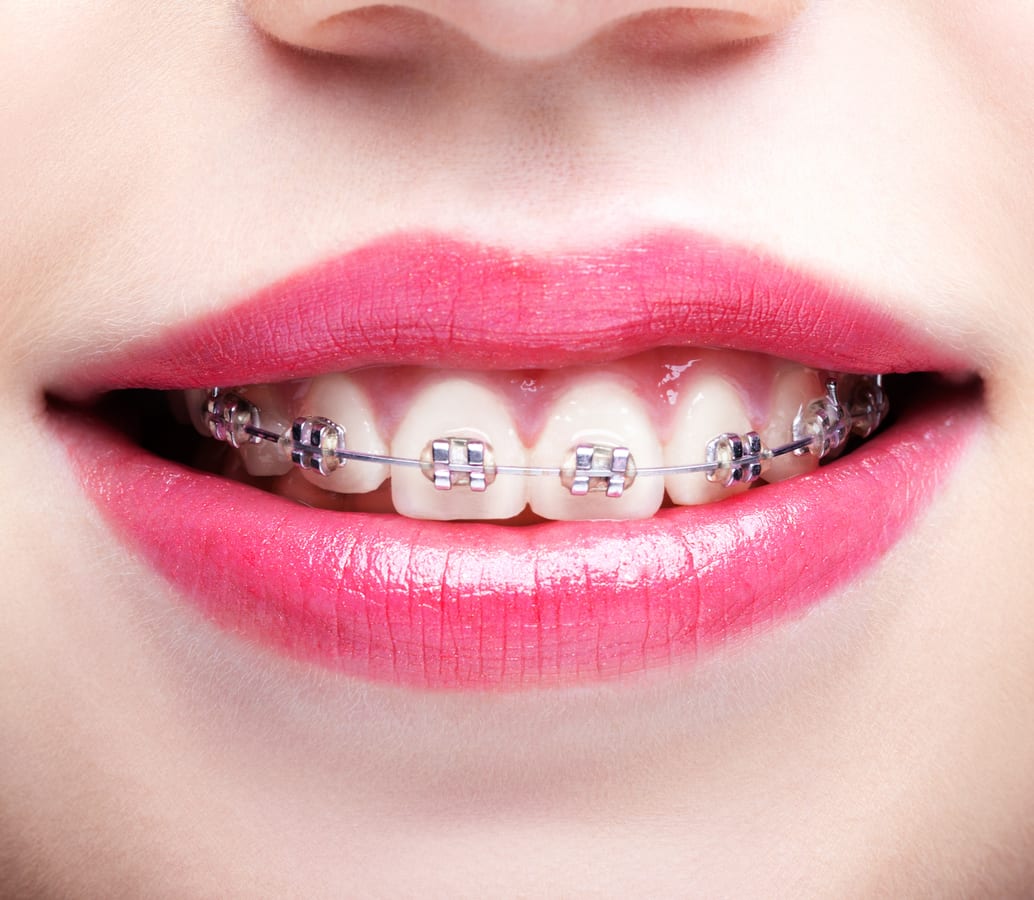
If you've ever typed family dentist near me into a search bar, you already know how overwhelming the results can be. Dozens of listings, star ratings, and clinic names flood the screen — but which one is actually right for your family? Whether you're a first-time patient, a parent searching for a dentist who sees kids and adults alike, or someone who just relocated and needs to start fresh, finding the right local family dentist is one of the most important health decisions you'll make in 2026. This comprehensive guide walks you through everything you need to know: what family dentistry actually covers, how to evaluate and choose a practice, what it costs, how insurance fits in, and what questions to ask before you book that first appointment.
What Is a Family Dentist and What Do They Do?
A family dentist is a general dental practitioner who is trained and equipped to treat patients of all ages — from toddlers getting their first checkup to grandparents managing complex restorative needs. Unlike a pediatric dentist (who sees only children) or a prosthodontist (who specialises in restorations), a family dentist is your one-stop dental home for the whole household.
In 2026, family dental practices increasingly offer a broader scope of services than ever before, driven by advances in digital dentistry and patient demand for convenience. Most family dentists offer:
- Routine cleanings and exams (typically recommended every 6 months)
- Digital X-rays and intraoral camera scans
- Fillings, crowns, and tooth extractions
- Teeth whitening and basic cosmetic treatments
- Orthodontic consultations and clear aligner monitoring
- Gum disease screening and treatment
- Emergency dental care
- Mouthguards and night guards
Family Dentist vs. General Dentist: Is There a Difference?
The terms are often used interchangeably, but there is a subtle distinction. A general dentist may primarily see adults, while a family dentist explicitly welcomes patients of all ages, including young children. When searching for a local dental office for your household, look for practices that explicitly list "all ages" or "children welcome" in their service descriptions. This saves you the hassle of maintaining separate appointments at different offices.
When Should Children First See a Family Dentist?
The American Academy of Pediatric Dentistry recommends that a child's first dental visit occur within six months of their first tooth erupting, or by their first birthday — whichever comes first. Many family dentists are fully prepared for these early visits, using child-friendly language, smaller instruments, and a gentle approach to make little ones comfortable. Starting early establishes lifelong oral hygiene habits and helps detect issues like early tooth decay or bite misalignment before they become costly problems.
How to Find the Best Family Dentist Near You in 2026
Searching online for a family dentist near me is the most common starting point, but the real work begins after those results appear. Here's a proven, step-by-step approach to narrowing down your options and finding a practice that genuinely fits your family's needs.
Step 1: Use Trusted Directories and Review Platforms
Start with reputable dental directories that vet their listings. Platforms like Top5Dentists.com curate and rank local dental practices so you can compare credentials, specialties, patient reviews, and accepted insurance plans in one place — rather than clicking through dozens of individual clinic websites. Google Maps, Healthgrades, and Zocdoc are also useful supplements.
When reading reviews, look beyond the star rating. Pay close attention to comments about:
- How staff treat children and anxious patients
- Wait times and appointment availability
- Transparency around pricing and treatment plans
- How the office handles billing and insurance claims
Step 2: Verify Credentials and Technology
Confirm the dentist is licensed in your state and check whether they hold memberships in professional organisations such as the American Dental Association (ADA) or the Academy of General Dentistry (AGD). Practices that invest in modern technology — digital X-rays (which emit up to 90% less radiation than traditional film), 3D cone beam scans, and intraoral cameras — tend to offer more accurate diagnoses and more comfortable experiences. Don't hesitate to ask about the technology they use during your initial phone call or consultation.
Understanding Family Dental Costs in 2026
Cost is one of the most common reasons people delay or avoid dental care — and it's a completely legitimate concern. Here's a realistic breakdown of what typical family dental services cost in the United States in 2026, both with and without insurance.
| Service | Without Insurance | With Insurance (Est.) |
|---|---|---|
| Routine Cleaning (Adult) | $100–$200 | $0–$30 |
| Routine Cleaning (Child) | $75–$150 | $0–$20 |
| Composite Filling | $150–$300 per tooth | $50–$150 |
| Dental Crown | $1,000–$1,800 | $400–$900 |
| Teeth Whitening (In-office) | $400–$800 | Rarely covered |
| Full-mouth X-rays | $100–$250 | $0–$50 |
Dental Insurance, Discount Plans, and Payment Options
Most dental insurance plans cover 100% of preventive care (cleanings, exams, X-rays), 70–80% of basic restorative care (fillings), and 50% of major procedures (crowns, root canals), up to an annual maximum — typically $1,000–$2,000 per person. If your family doesn't have employer-provided dental coverage, consider these alternatives:
- In-house dental membership plans: Many family dentists now offer their own annual subscription plans for $200–$400 per year that include cleanings, exams, and discounts on other treatments.
- Dental discount networks: Programs like Careington or DentalPlans.com offer reduced fee schedules at participating offices — not insurance, but genuinely helpful for uninsured families.
- CareCredit and payment plans: Most reputable family dental offices offer zero-interest financing options for larger treatment plans.
Red Flags to Avoid When Choosing a Local Family Dentist
Knowing what not to look for is just as important as knowing what to seek. Once you start evaluating practices in your area, watch out for these common warning signs:
- Vague treatment explanations: A good dentist explains exactly what they're recommending and why — in plain language. If a dentist jumps straight to recommending expensive procedures without showing you X-rays or intraoral images, get a second opinion.
- Pressure tactics: Legitimate dental offices do not pressure patients into same-day treatment decisions for non-emergency issues. Take your time.
- No clear fee structure: Transparent practices provide written estimates before beginning any treatment. If a front desk team dodges pricing questions, walk away.
- Poor hygiene or outdated equipment: During your first visit, notice whether the operatory looks clean, instruments are sterilised and sealed, and staff follows proper PPE protocols.
- High staff turnover: Frequent changes in hygienists or front-desk staff can signal management or culture issues within the practice.
The Importance of Dental Anxiety Support
According to recent surveys, approximately 36% of Americans experience dental anxiety, with around 12% suffering from severe dental phobia. If you or a family member struggles with anxiety around dental visits, look specifically for practices that offer:
- Nitrous oxide (laughing gas) sedation
- Oral sedation options for moderate anxiety
- Noise-cancelling headphones or TV distraction during treatment
- Comfort menus (blankets, stress balls, sunglasses)
- A "tell-show-do" communication approach, especially for children
A truly patient-centred family dental office will never rush you or dismiss your concerns. Ask about anxiety management before your first appointment to set expectations from day one.
Questions to Ask Before Booking Your First Appointment
Once you've shortlisted two or three practices from your family dentist near me search, it's worth making a quick call or sending a message before committing. Here are the most important questions to ask:
- Do you see children under age 5? Not all family dentists are comfortable with very young toddlers — confirm this upfront.
- Do you accept my insurance plan? Ask specifically whether they are in-network, as out-of-network benefits differ significantly.
- What is your emergency protocol? A reliable family dental office will have after-hours emergency contact options or can refer you to a trusted emergency dentist quickly.
- How long is a typical wait time for a new patient appointment? Some busy practices have 4–8 week waits; others can see new patients within days.
- Do you offer digital X-rays and paperless records? Modern practices use electronic health records, which improve safety and coordination of care.
- Can I schedule the whole family on the same day? Practices that offer "block scheduling" for families are a major time-saver for busy parents.
Frequently Asked Questions
How often should my family visit the dentist?
For most people, twice-yearly visits (every six months) are recommended for cleanings and exams. However, patients with a history of gum disease, frequent cavities, or certain medical conditions may be advised to visit every three to four months. Your family dentist will tailor a recall schedule to each family member's specific needs.
Is a family dentist the same as a pediatric dentist?
Not exactly. A pediatric dentist (pedodontist) completes two to three additional years of specialty training specifically focused on children's dental development and behaviour management. A family dentist treats all ages but does not hold that specialty credential. For children with complex dental needs, significant anxiety, or special healthcare requirements, a referral to a pediatric specialist may be appropriate — but for routine care, most family dentists are fully equipped.
What should I bring to my first family dental appointment?
Come prepared with your dental insurance card, a valid photo ID, a list of any current medications (including supplements), details of any known allergies, and previous dental records or X-rays if available. Many modern practices also allow you to complete new patient forms online ahead of time, which saves valuable time in the waiting room.
How do I find a family dentist that accepts Medicaid?
Medicaid dental coverage varies by state and is sometimes limited in scope for adults. To find participating providers near you, visit your state's Medicaid website or use the HRSA health centre finder at findahealthcenter.hrsa.gov. Community health centres and dental schools are also excellent lower-cost options for uninsured or Medicaid patients.
What if my family dentist recommends a treatment I'm not sure about?
Always feel empowered to ask for a written treatment plan with itemised costs, and don't hesitate to seek a second opinion — especially for major procedures like crowns, extractions, or orthodontic treatment. Reputable dentists will respect this and can even share your X-rays electronically for a remote review. A second opinion costs little and provides significant peace of mind.
How can I reduce my family's dental costs without sacrificing quality?
Preventive care is your biggest cost-saving tool — regular cleanings and early cavity detection prevent expensive restorative work down the line. Additionally, ask your dentist about in-house membership plans, check whether a dental school clinic operates nearby (treatment is performed by supervised students at a fraction of the cost), and inquire about payment plans for larger treatments. Prioritising your family's oral health now is always more affordable than treating neglected issues later.
Conclusion
Finding the right family dentist near me is much more than a quick Google search — it's about building a long-term relationship with a dental team that understands your family's unique needs, budget, and comfort level. By knowing what to look for, what questions to ask, and what red flags to avoid, you're already miles ahead in making a confident, informed decision. Whether your priority is finding a dentist who's great with young kids, one who offers flexible payment options, or a practice equipped with the latest technology, the perfect local option exists — you just need the right tools to find it. Start your search today at Top5Dentists.com, where trusted, verified family dental practices near you are just a few clicks away.