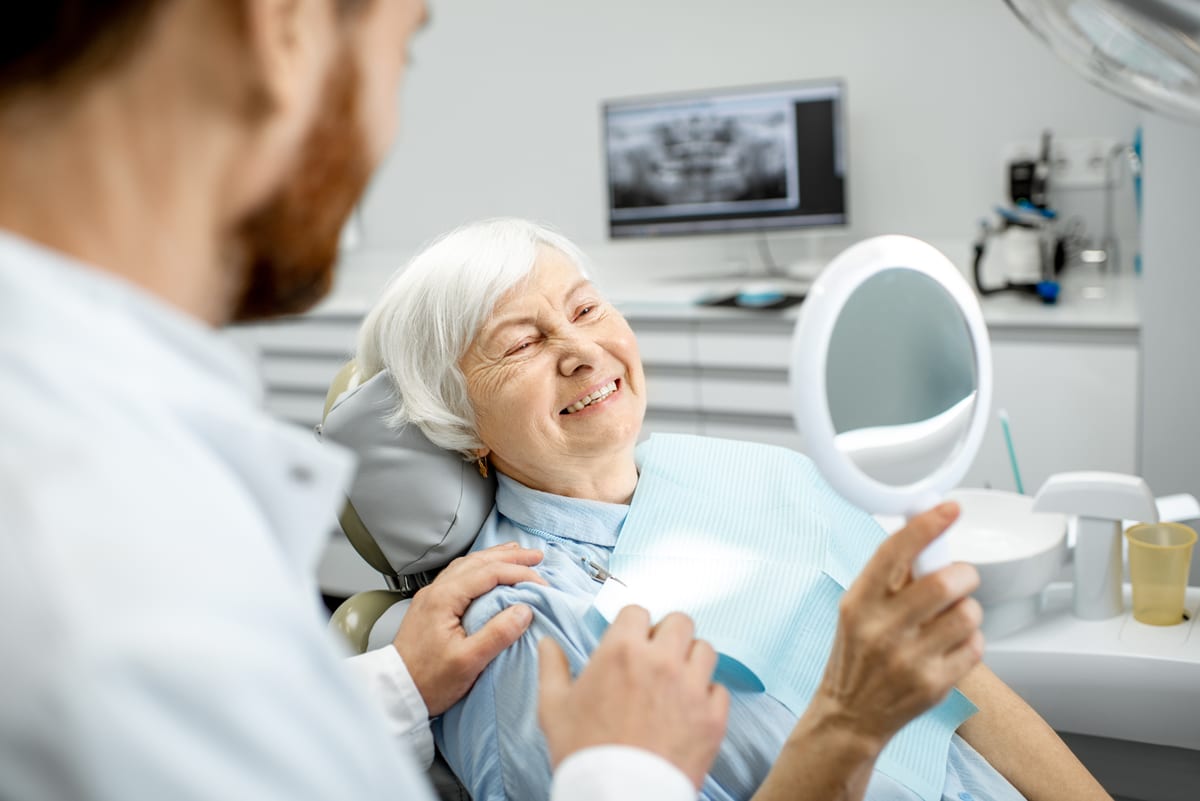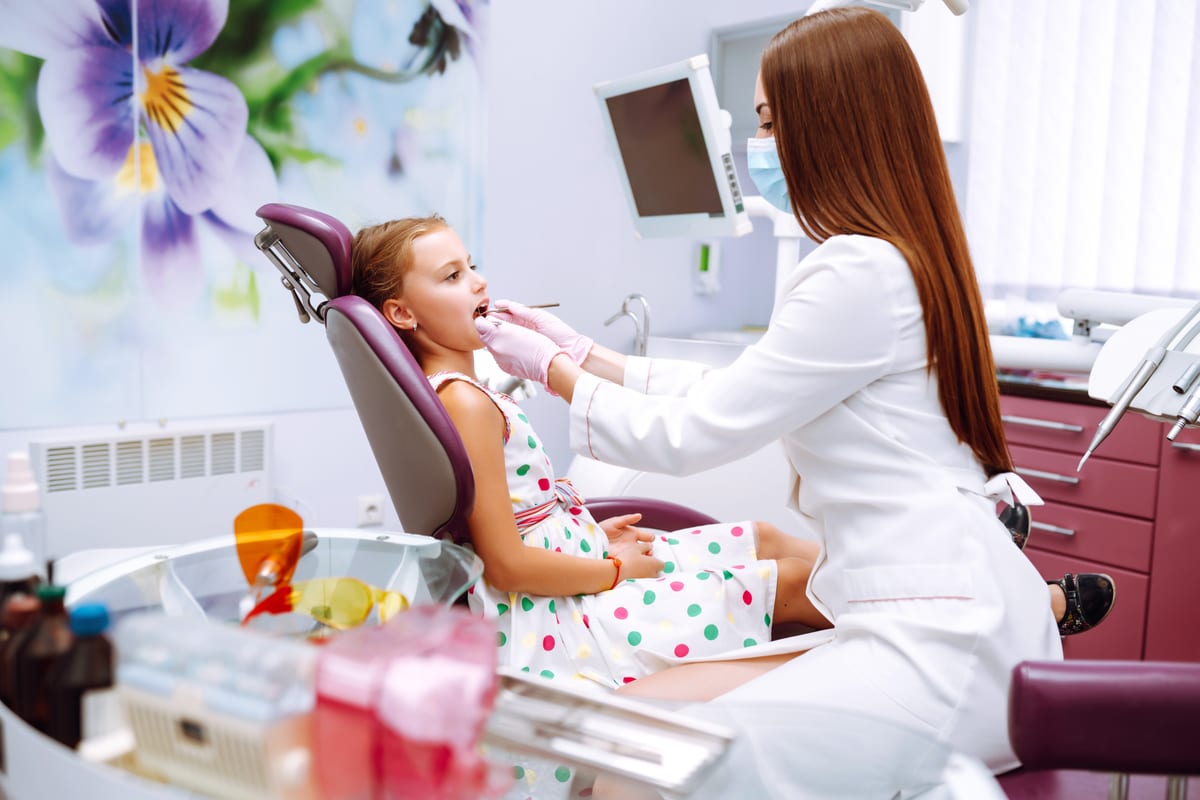
If you've been putting off a routine visit because you're unsure about the price, you're not alone — one of the most common questions people ask before booking an appointment is how much does a dental cleaning cost? The honest answer is: it depends. In 2026, a standard professional cleaning can range anywhere from $75 to over $400, with the variation driven by the type of cleaning you need, your geographic location, the dental practice you visit, and whether you have insurance. This guide breaks it all down so you can walk into your next appointment fully informed — and without sticker shock.
Types of Dental Cleanings and Their Costs
Not all dental cleanings are created equal. The term "cleaning" actually covers several distinct procedures, each with a different purpose and price point. Understanding the difference is the first step to knowing what you'll actually pay.
Routine Prophylaxis (Standard Cleaning)
A prophylaxis — the technical term for a standard preventive cleaning — is what most healthy adults receive every six months. During this visit, a dental hygienist removes plaque and tartar buildup, polishes your teeth, and may apply fluoride. In 2026, the national average cost for a routine prophylaxis sits between $75 and $200 without insurance. In higher cost-of-living cities like New York, San Francisco, or Boston, prices can push toward $250 or more. In smaller towns and rural areas, you may find cleanings for as low as $60–$80.
Periodontal Maintenance Cleanings
If you've previously been treated for gum disease, your dentist will likely recommend periodontal maintenance visits every three to four months rather than the standard twice-yearly schedule. These are more intensive than a routine cleaning and typically cost between $115 and $300 per visit. They involve cleaning below the gumline and monitoring pocket depths to ensure your gum disease remains under control.
Deep Cleaning: When Is It Necessary and What Does It Cost?
A deep cleaning — clinically known as scaling and root planing — goes significantly further than a standard prophylaxis. It's prescribed when a patient has active gum disease (periodontitis) and there is tartar buildup beneath the gumline that a regular cleaning cannot address.
Scaling and Root Planing Costs
Deep cleanings are typically performed in quadrants (the mouth is divided into four sections), and dentists often treat one or two quadrants per appointment. In 2026, you can expect to pay:
- Per quadrant: $150–$350
- Full mouth (all four quadrants): $500–$1,500+
These costs can feel daunting, but skipping a deep cleaning when it's needed can lead to tooth loss and far more expensive restorative work down the road. Many dental offices offer payment plans specifically for this procedure, so always ask before assuming it's out of reach.
How Dental Insurance Affects Your Cleaning Cost
Dental insurance can dramatically change what you pay out of pocket for a teeth cleaning. Most traditional dental insurance plans classify preventive care — including routine cleanings — under 100% coverage, meaning your insurer picks up the full tab for two cleanings per year.
What Insurance Typically Covers
Here's a quick breakdown of how common insurance tiers handle dental cleaning costs in 2026:
- Preventive (prophylaxis): Usually 100% covered, 2x per year
- Periodontal maintenance: Often covered at 80%, subject to deductible
- Deep cleaning (scaling & root planing): Typically covered at 50–80% after deductible
Always verify your specific plan's coverage before your appointment. Ask the dental office to submit a pre-authorization request to your insurance company so you know your estimated out-of-pocket cost in advance. Keep in mind that most plans have an annual maximum benefit — commonly $1,000–$2,000 — so more complex needs may exhaust your coverage quickly.
No Insurance? Here Are Your Options
Roughly 68 million Americans lack dental insurance, according to recent estimates. If that's you, you still have several solid options to reduce your dental cleaning cost:
- Dental discount plans: Annual membership programs (typically $80–$200/year) that give you 10–60% off at participating dentists.
- Dental school clinics: Supervised student dentists often offer cleanings for $20–$50 — a great option if you're not in a hurry.
- Community health centers: Federally Qualified Health Centers (FQHCs) offer sliding-scale fees based on income.
- In-house membership plans: Many private dental practices now offer their own annual plans that bundle two cleanings plus discounts on other services for a flat yearly fee, often $150–$400.
Factors That Influence the Price of a Teeth Cleaning
Beyond the type of cleaning and insurance status, several additional variables affect what you'll pay at the register.
Location, Practice Type, and X-Rays
Geographic location is one of the biggest pricing factors. A cleaning in Manhattan will cost considerably more than the same procedure in rural Mississippi — sometimes two to three times as much. Practice type also matters: corporate dental chains often advertise lower entry-level prices but may upsell additional services, while independent private practices may charge more upfront but offer more personalized care.
Don't forget that many dental offices bundle a dental exam and X-rays with your cleaning appointment. Bitewing X-rays (taken once a year or every other year) can add $25–$150 to your bill, and a comprehensive exam by the dentist may add another $50–$150. When comparing prices, always ask whether the quoted cleaning fee includes or excludes the exam and X-rays.
Tips to Save Money on Your Dental Cleaning in 2026
Keeping your teeth clean doesn't have to break the bank. Here are practical, actionable ways to reduce what you spend on dental cleanings this year:
- Go twice a year — consistently. Regular preventive cleanings are far cheaper than treating the cavities and gum disease that result from skipping them.
- Compare prices before you book. Don't hesitate to call two or three offices and ask for their new patient cleaning rates. Prices can vary significantly even within the same zip code.
- Ask about new patient specials. Many practices offer discounted or even free cleanings to attract new patients.
- Use an FSA or HSA. Flexible Spending Accounts and Health Savings Accounts let you pay for dental cleanings with pre-tax dollars, effectively giving you a 20–30% discount depending on your tax bracket.
- Maintain great oral hygiene at home. Brushing twice daily, flossing, and using an antibacterial rinse reduces buildup and can shorten the time — and cost — of your cleaning appointments.
Frequently Asked Questions
How much does a dental cleaning cost without insurance?
Without insurance, a standard prophylaxis cleaning in 2026 costs between $75 and $200 on average nationwide. Prices vary based on your city, the dental practice, and whether X-rays and an exam are included. Deep cleanings for gum disease can run $500–$1,500 for the full mouth.
Is a dental cleaning covered by insurance?
Most dental insurance plans cover two routine cleanings per year at 100% as part of preventive care. Periodontal maintenance and deep cleanings are typically covered at a lower percentage (50–80%) and may require you to meet your deductible first. Always confirm your specific plan's benefits before your appointment.
How often should I get a dental cleaning?
For most adults with good oral health, twice a year (every six months) is the standard recommendation. Patients with gum disease, a history of heavy tartar buildup, diabetes, or who smoke may need cleanings every three to four months to maintain their oral health.
What's the difference between a regular cleaning and a deep cleaning?
A regular cleaning (prophylaxis) removes plaque and tartar from the visible surfaces of the teeth and just at the gumline. A deep cleaning (scaling and root planing) goes beneath the gumline to remove bacteria and tartar from the roots of the teeth. Deep cleanings are prescribed when gum disease has caused the gums to pull away from the teeth, creating pockets where bacteria accumulate.
Can I get a free dental cleaning anywhere?
Yes, in some cases. Dental schools frequently offer free or heavily discounted cleanings to patients who participate in student training clinics. Some community health fairs also provide free dental screenings and basic cleanings. Additionally, new patient promotions at private practices occasionally include complimentary cleanings.
Does a dental cleaning hurt?
A routine prophylaxis is generally painless or mildly uncomfortable for most patients. If you have sensitive gums, significant buildup, or gum disease, you may feel some pressure or tenderness. Deep cleanings involve working below the gumline and are typically performed with local anesthesia to keep you comfortable. Talk to your hygienist beforehand if you have dental anxiety — they can adjust their approach to make the experience easier.
Conclusion
Understanding the true cost of a dental cleaning in 2026 empowers you to plan ahead, use your benefits wisely, and choose a provider that fits your budget without sacrificing quality. Whether you're paying out of pocket or navigating insurance, there are always options to make professional teeth cleanings affordable — because the cost of prevention is always lower than the cost of treatment. Ready to find a trusted, affordable dentist near you? Visit Top5Dentists.com to browse top-rated dental professionals in your area and book your next cleaning with confidence.