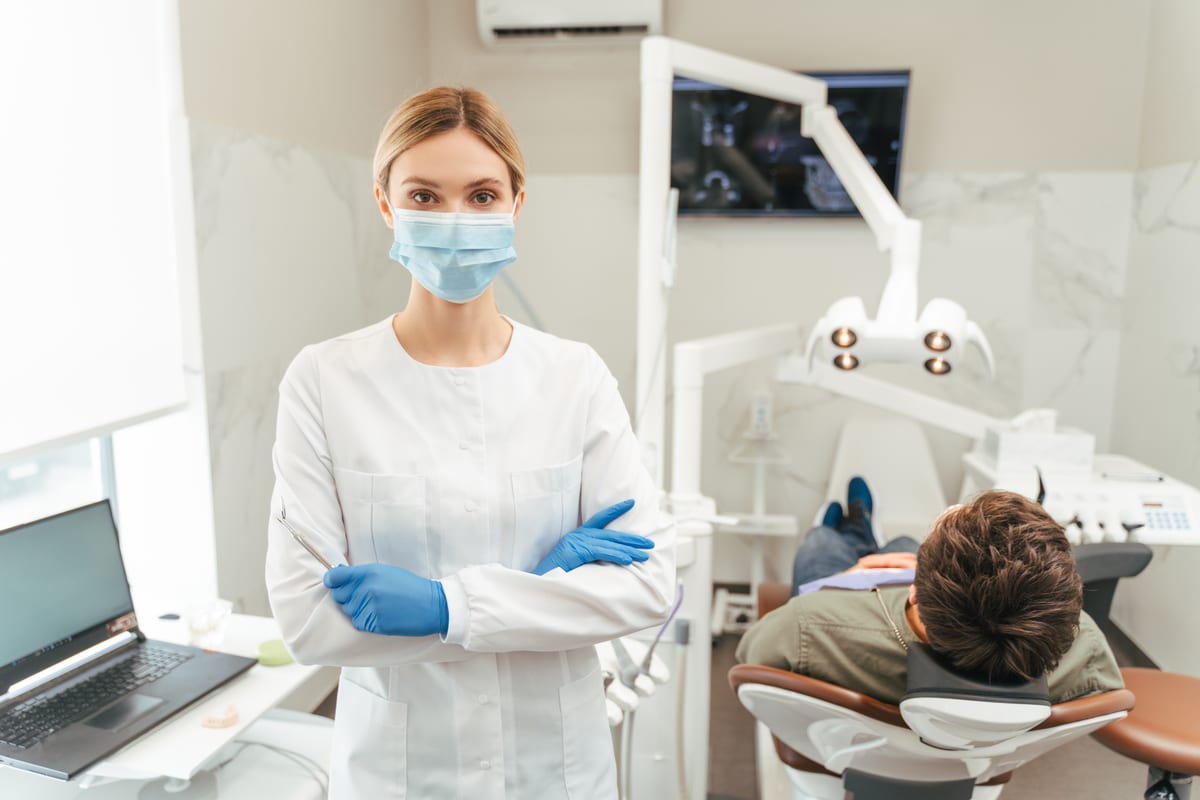
If you dread going to the dentist — even for a routine cleaning — you are far from alone. According to a 2025 survey by the American Dental Association, approximately 36% of Americans experience dental anxiety, and around 12% avoid the dentist altogether due to intense fear. Understanding how to overcome dental anxiety is not just about feeling more comfortable; it is about protecting your long-term oral health and overall wellbeing. The good news? With the right strategies, tools, and a supportive dental team, even the most nervous patients can learn to manage — and eventually conquer — their fear of the dentist.
Understanding Dental Anxiety: What It Is and Why It Happens
Dental anxiety exists on a wide spectrum. For some people, it is mild nervousness before an appointment. For others, it is a full-blown dental phobia that triggers panic attacks and complete avoidance of care. Recognising where you fall on that spectrum is the first step toward managing it effectively.
Common Triggers of Dental Fear
Dental anxiety rarely appears out of nowhere. It is usually rooted in one or more specific triggers, including:
- Past traumatic experiences — A painful or distressing dental visit, especially in childhood, can leave a lasting psychological imprint.
- Fear of pain — Many patients worry about discomfort during procedures, even though modern anaesthesia has made most treatments virtually painless.
- Loss of control — Sitting in a dental chair with instruments in your mouth can feel disempowering and claustrophobic.
- Fear of needles or drills — The sight or sound of dental tools is enough to spike anxiety levels in many patients.
- Embarrassment — Patients who have avoided the dentist for years often feel ashamed about the state of their teeth, fearing judgment from the dental team.
The Real Cost of Avoiding the Dentist
Dental avoidance comes with serious consequences. A small cavity that costs around $150–$300 to fill can escalate into a root canal costing $700–$1,500 — or a full extraction and implant exceeding $3,000–$5,000 — if left untreated. Beyond costs, untreated oral disease has been linked to heart disease, diabetes complications, and poor mental health outcomes. Tackling your dental fear is genuinely one of the most important investments you can make in your overall health.
Practical Strategies to Calm Your Nerves Before Your Appointment
Preparation is everything when it comes to managing dental fear. The more in control you feel going into an appointment, the less power anxiety has over you.
Communicate Openly With Your Dentist
One of the most effective — yet underused — tools for anxious patients is honest communication. Before your appointment, call the office and let them know you experience dental anxiety. A good dentist will adjust their approach accordingly. During the visit, establish a simple stop signal (such as raising your hand) so you feel empowered to pause treatment at any moment. This single technique dramatically reduces feelings of helplessness that fuel dental phobia.
Use Relaxation Techniques
Your body's stress response can be interrupted with deliberate relaxation exercises. Try these proven methods:
- Diaphragmatic breathing: Breathe in slowly through your nose for 4 counts, hold for 4, exhale through your mouth for 6. Repeat throughout the appointment.
- Progressive muscle relaxation: Systematically tense and release muscle groups starting from your toes upward to release physical tension.
- Guided meditation or music: Bring earbuds and a calming playlist or a meditation app like Calm or Headspace. Many dental offices are happy to accommodate this.
- Visualisation: Mentally picture yourself in a peaceful, safe place while treatment is being performed.
Sedation Dentistry: A Game-Changer for Severe Dental Phobia
If general relaxation techniques are not enough, sedation dentistry may be the solution that makes dental care genuinely accessible for you. Modern sedation options are safe, effective, and tailored to different levels of anxiety.
Types of Dental Sedation Available in 2026
- Nitrous oxide (laughing gas): The most common and mildest option. It is inhaled through a mask, takes effect within minutes, and wears off quickly — you can drive yourself home afterward. Cost: typically $75–$200 per visit.
- Oral conscious sedation: A prescription pill (usually triazolam or diazepam) taken about an hour before your appointment. You remain conscious but deeply relaxed. Cost: $150–$500 depending on dosage and provider.
- IV sedation: Administered directly into your bloodstream for a deeper state of sedation, ideal for complex procedures or severe phobia. Cost: $250–$900+ and requires someone to drive you home.
- General anaesthesia: Reserved for extreme cases or extensive surgical treatment. Performed in a hospital or surgical centre setting.
Always discuss which sedation option is appropriate for your health history and the type of procedure you are having. Many dental insurance plans offer partial coverage for sedation when it is deemed medically necessary.
Building a Long-Term Relationship With a Dentist You Trust
Dental anxiety is significantly reduced when you feel genuinely safe and respected by your care provider. Finding the right dentist — not just any dentist — is critical for nervous patients.
What to Look for in an Anxiety-Friendly Dentist
When evaluating potential dentists, look for these reassuring qualities:
- Explicit mentions of treating anxious patients on their website or practice profile
- Warm, patient-centred communication style (read Google and Yelp reviews carefully)
- Willingness to do a no-pressure consultation before any treatment begins
- Multiple sedation options available in-office
- A calm, modern, and non-clinical waiting room environment
Do not be afraid to schedule a meet-and-greet appointment where you simply talk with the dentist, tour the office, and ask questions without any treatment taking place. This alone can significantly reduce anticipatory anxiety.
Gradual Exposure: Start Small
If your anxiety is severe, consider using a gradual exposure approach. Begin with a simple examination and X-rays. Once you feel comfortable at that level, progress to a cleaning. Then move on to any restorative work needed. Incremental wins build confidence over time and help rewire the fear response associated with dental visits.
Lifestyle and Mental Health Support for Dental Phobia
For patients with deep-rooted dental phobia, self-help strategies alone may not be sufficient. A holistic approach that includes mental health support can make a transformative difference.
Cognitive Behavioural Therapy (CBT) for Dental Fear
CBT is one of the most well-researched psychological treatments for specific phobias, including dental phobia. A licensed therapist uses structured techniques to help you identify and challenge negative thought patterns around dental visits, replacing them with more balanced, realistic thinking. Research published in the Journal of Dental Research found that just 4–6 sessions of CBT led to significant reductions in dental anxiety in over 70% of participants. Ask your primary care doctor for a referral or explore online CBT platforms as a starting point.
Frequently Asked Questions
Is dental anxiety a real medical condition?
Yes, absolutely. Dental anxiety and dental phobia are recognised psychological conditions. While anxiety is a spectrum (from mild nervousness to severe phobia), both ends of the scale are valid and can be treated effectively with the right combination of communication, relaxation strategies, sedation, and professional mental health support.
How do I tell my dentist I am anxious without feeling embarrassed?
A simple, direct statement works best: "I want to let you know that I have significant dental anxiety, and I may need extra reassurance or breaks during treatment." Any compassionate, experienced dentist will appreciate your honesty — it helps them provide better care. Remember, dental teams work with nervous patients every single day. You are not alone, and you will not be judged.
Can I ask for sedation even for a routine cleaning?
In most cases, yes. If your anxiety is severe enough that it prevents you from tolerating even a routine cleaning comfortably, nitrous oxide or oral sedation can be appropriate options. Discuss this with your dentist during your initial consultation. They can advise on what is medically suitable given your health history.
How much does it cost to see an anxiety-friendly dentist?
Seeing an anxiety-friendly dentist does not necessarily cost more than a standard dental visit. The primary additional cost would be sedation if you choose to use it, which ranges from $75 to $900+ depending on the type. Many dental insurance plans, including PPO plans, may partially cover sedation — always check with your provider beforehand.
What if I have avoided the dentist for years? Is it too late to start?
It is never too late to restart your dental care journey. Dentists who specialise in treating anxious patients are trained to handle all stages of oral health, including cases involving long-term neglect. They approach these situations with empathy and a non-judgmental attitude. Your first appointment can simply be a conversation — no treatment required until you feel ready.
Are there any apps or tools that help with dental anxiety?
Yes! Several digital tools can help manage dental anxiety. Apps like Calm, Headspace, and Dare offer guided breathing and anxiety management exercises. Some dental offices also use distraction tools like virtual reality headsets during procedures — a growing trend in 2026 that has shown promising results in clinical trials for reducing patient-reported pain and anxiety.
Conclusion
Dental anxiety is real, it is common, and — most importantly — it is manageable. Whether you start with a simple breathing technique, a candid conversation with your dentist, or explore sedation options, every step you take toward the chair is a step toward better oral and overall health. You deserve pain-free, judgment-free dental care, and the right team will make that possible. Ready to find a compassionate, anxiety-friendly dentist near you? Visit Top5Dentists.com to browse top-rated dental professionals in your area and take that first — and most important — step today.