If a brighter, more confident smile is on your radar this year, you're probably already asking the big question: what is the teeth whitening cost in 2026? With so many options on the market — from professional in-office laser treatments to over-the-counter strips you use at home — prices vary dramatically. Understanding exactly what you'll pay, and what you're paying for, is the key to making a smart investment in your smile. This guide breaks down every major whitening method, what drives the cost, and how to find the best value without sacrificing results.
Why Teeth Whitening Prices Vary So Much
Not all whitening treatments are created equal, and the price gap between a $10 box of strips and a $1,000 in-office procedure reflects real differences in strength, speed, and longevity. Several core factors influence what you'll pay in 2026.
Concentration of Bleaching Agent
The active ingredient in virtually all whitening products is either hydrogen peroxide or carbamide peroxide. Professional treatments use concentrations of 25–40%, which are regulated and only available through a licensed dentist. Over-the-counter products are capped at around 10% hydrogen peroxide in most states. Higher concentration = faster, more dramatic results = higher cost. It's a straightforward equation, but it matters enormously when setting realistic expectations for any treatment you choose.
Geographic Location and Practice Type
Where you live significantly affects what dentists charge. Cosmetic dentistry practices in major metropolitan areas like New York, Los Angeles, or Miami typically charge 20–40% more than suburban or rural dental offices for the same procedure. A premium cosmetic dentist will also charge more than a general dentist offering whitening as a side service. Always factor in your local market when budgeting for professional dental whitening services.
In-Office Professional Teeth Whitening Costs in 2026
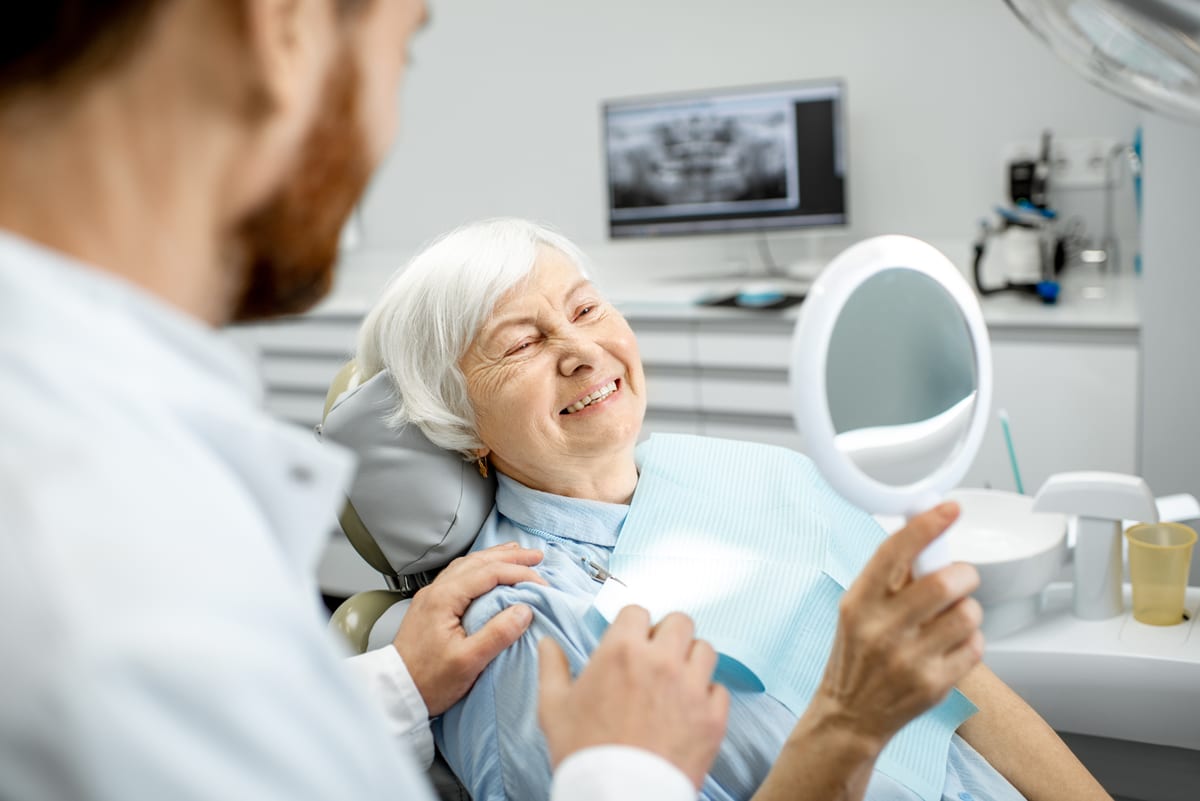
Professional, chairside whitening remains the gold standard for fast, dramatic results. You sit in the dentist's chair for one to two hours, and you walk out with a noticeably whiter smile. Here's what to expect to pay.
Laser and LED-Accelerated Whitening (e.g., Zoom, LumiWhite)
The most popular professional option, LED or laser-accelerated whitening (commonly marketed as Zoom Whitening or similar branded systems), typically costs between $500 and $1,200 in 2026, with the national average sitting around $650–$800. The dentist applies a high-concentration bleaching gel to your teeth and activates it with a specialized light to speed up the chemical reaction. Most patients see results of 6–10 shades lighter in a single session. This is ideal if you have an event coming up or simply want the fastest, most noticeable change possible.
Custom In-Office Tray Whitening
Some dentists offer a hybrid approach: a professional bleaching session in the chair combined with custom-fitted take-home trays for touch-ups. This package typically runs $400–$700 and delivers excellent long-term value. The custom trays alone, without an in-office session, usually cost $250–$500 and are far more effective than generic at-home trays because they conform precisely to your teeth, ensuring the gel makes even contact across every surface.
At-Home Teeth Whitening Costs in 2026
At-home whitening has exploded in variety and quality over the past few years. While results won't match a professional treatment, modern at-home options are substantially better than they were even five years ago.
Dentist-Prescribed Take-Home Kits
Sitting just below in-office treatments in terms of strength and cost, dentist-prescribed take-home kits use higher peroxide concentrations than anything sold over the counter. Expect to pay $150–$400 for a dentist-dispensed kit in 2026. You'll wear custom or semi-custom trays for 30–60 minutes per day over 1–2 weeks. Results are gradual but impressive — typically 4–6 shades lighter — and many patients actually prefer this gentler pace, especially those with sensitive teeth.
Over-the-Counter Whitening Strips and Kits
OTC options are the most accessible entry point into teeth whitening. Popular brands like Crest 3D Whitestrips, Colgate Optic White, and various LED kit brands range from $20 to $80 at retail. They're convenient and genuinely effective for mild to moderate staining — think coffee, tea, and wine discoloration. However, they won't touch deep intrinsic stains or significantly alter the overall shade of naturally yellow or grey teeth. If your expectations are calibrated correctly, a $40 box of strips can deliver solid value. Just know that results typically last 3–6 months before touch-ups are needed.
Whitening Toothpastes and Rinses
At the most affordable end of the spectrum, whitening toothpastes range from $5 to $20. They work primarily through mild abrasives and surface-stain removal rather than actual bleaching, so they can brighten your smile slightly over time but won't change the underlying color of your enamel. Think of them as excellent maintenance tools to use alongside a more active whitening treatment.
Does Dental Insurance Cover Teeth Whitening?
The short answer for 2026 is still: almost never. Teeth whitening is considered a cosmetic procedure by virtually all major dental insurance providers, meaning it is explicitly excluded from standard coverage. Even comprehensive dental PPO plans that cover crowns, fillings, and root canals will not pay for elective whitening treatments.
That said, there are a few workarounds worth exploring. Some dental discount plans (not insurance, but membership-based savings programs) offer 10–20% off cosmetic procedures including whitening. Additionally, many dental offices offer in-house membership plans that include periodic whitening treatments as a perk. It's always worth asking your dentist what financing or discount options they provide — many accept CareCredit or offer their own payment plans for cosmetic work.
How to Get the Best Value on Teeth Whitening in 2026
Smart shoppers don't just look at sticker price — they look at cost per result. Here are actionable tips to maximize your whitening budget this year.
Time Your Treatment Strategically
Many dental practices run promotions around major holidays — New Year's, Valentine's Day, and the summer months are peak times for cosmetic dentistry discounts. Booking a whitening appointment during a promotional window can save you $100–$200 on in-office treatment. Sign up for your dentist's email newsletter or follow them on social media to catch these deals.
Start with a Clean Slate
Whitening works best on clean teeth. Before any whitening treatment, make sure you've had a recent professional cleaning. Plaque and tartar buildup can block the bleaching agent from working evenly, leading to patchy, disappointing results. Scheduling a cleaning and whitening together often makes financial sense and ensures you get the most out of every dollar spent on cosmetic treatment.
Maintain Results to Avoid Re-Treatment Costs
The most expensive whitening treatment is the one you have to repeat every few months because you haven't maintained results. Avoid dark-staining beverages (coffee, red wine, cola) immediately after treatment when pores are most open, use a whitening toothpaste for maintenance, and consider a quick OTC touch-up every 3–4 months. Proper aftercare can extend professional results from 6 months to well over a year, making your investment go much further.
Frequently Asked Questions
How much does teeth whitening cost on average in 2026?
In 2026, teeth whitening costs range from as little as $5 for a whitening toothpaste to $1,200 or more for premium in-office laser treatments. The national average for professional in-office whitening sits around $650–$800, while dentist-prescribed take-home kits average $150–$400. Over-the-counter strips and kits typically cost $20–$80.
Is professional teeth whitening worth the extra cost?
For most people seeking significant, fast, and even results, yes. Professional whitening uses higher-concentration bleaching agents, is supervised by a licensed dentist, and typically delivers results that last 12–18 months with proper care. OTC products can work well for mild staining and maintenance but rarely match the depth of change achievable in a dental office.
Does teeth whitening hurt, and does that affect cost?
Tooth sensitivity is the most common side effect of whitening, particularly with stronger professional treatments. Many dentists include desensitizing treatments (such as fluoride application or potassium nitrate gel) as part of their whitening package. If you have a history of sensitivity, ask your dentist about lower-concentration options or sensitivity-formulated at-home kits — these are often slightly less expensive and gentler on enamel.
How long do teeth whitening results last?
Results vary based on the treatment and your lifestyle habits. In-office professional whitening typically lasts 12–18 months. Dentist-prescribed at-home kits last 6–12 months. OTC strips generally last 3–6 months. Habits like smoking, drinking coffee, tea, or red wine will shorten the lifespan of results regardless of which treatment you choose.
Are there any teeth whitening options covered by insurance?
Standard dental insurance plans do not cover cosmetic teeth whitening in 2026. However, dental discount or membership plans may offer savings of 10–20% on whitening services. HSA (Health Savings Account) and FSA (Flexible Spending Account) funds generally cannot be used for cosmetic whitening either, though it's worth confirming with your plan administrator as rules can vary.
Can I whiten teeth if I have crowns, veneers, or bonding?
Whitening agents only affect natural tooth enamel — they will not change the color of crowns, veneers, composite bonding, or other dental restorations. If you have visible dental work on your front teeth, whitening can create an uneven appearance where your natural teeth brighten but restorations remain the same shade. Consult your dentist before whitening to discuss the best approach for your specific situation.
Conclusion
Whether you're budgeting for a one-time in-office glow-up or looking for an affordable at-home routine to maintain your smile, understanding the full landscape of teeth whitening costs in 2026 puts you firmly in the driver's seat. From $20 strips to $1,200 professional treatments, there is a whitening solution for virtually every budget and timeline — the key is matching the right option to your goals and expectations. When you're ready to take the next step, finding a trusted, highly-rated local dentist makes all the difference. Visit Top5Dentists.com to discover top-reviewed dental professionals in your area who can help you achieve the bright, confident smile you deserve — at a price that works for you.