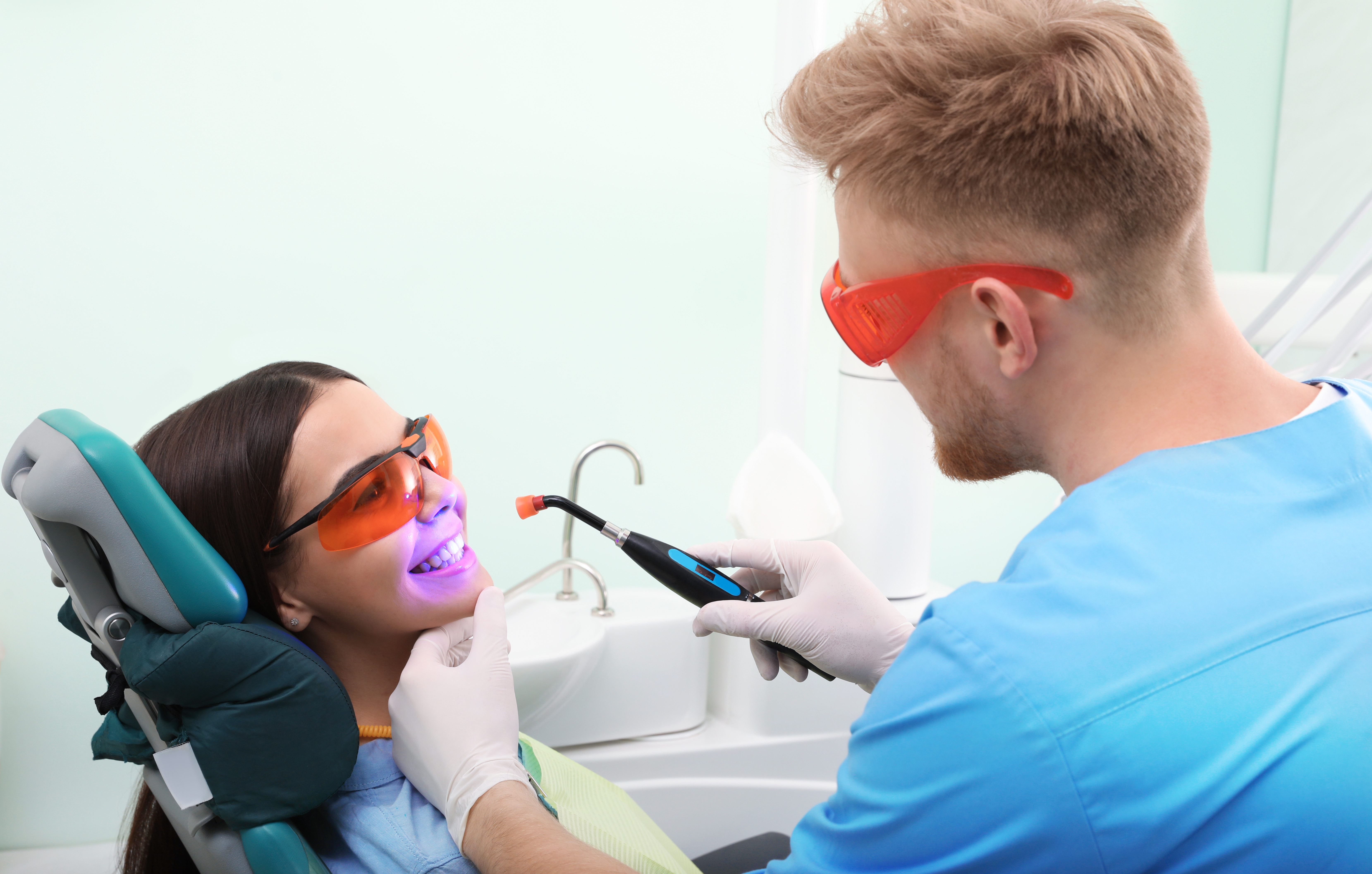
If you've been researching ways to improve your smile or restore a damaged tooth, you've almost certainly landed on the debate of veneers vs crowns. Both are popular, proven dental restorations — but they serve very different purposes, involve different levels of tooth preparation, and come with significantly different price tags. Choosing the wrong one doesn't just affect your wallet; it can affect the long-term health of your tooth. In this guide, we break down everything you need to know to make a confident, informed decision heading into 2026.
What Are Dental Veneers?
Dental veneers are ultra-thin shells — typically made from porcelain or composite resin — that are bonded to the front surface of a tooth. Think of them like a custom-fitted cover that masks cosmetic imperfections while leaving the majority of your natural tooth structure intact.
What Veneers Are Best For
Veneers are a cosmetic dentistry solution first and foremost. They excel at correcting:
- Stubborn tooth discoloration or staining unresponsive to whitening
- Chipped or slightly cracked front teeth
- Minor misalignment or gaps between teeth
- Irregular tooth shape or size
- Worn enamel on visible surfaces
Because veneers only cover the front face of the tooth, your dentist removes only a small amount of enamel (typically 0.3–0.7 mm) to ensure a natural fit. This makes the procedure far less invasive than a crown. However, it also means veneers are irreversible — once enamel is removed, the tooth will always need some form of covering.
Types of Veneers Available in 2026
Traditional porcelain veneers remain the gold standard for aesthetics, but composite resin veneers have improved dramatically and cost considerably less. A newer option gaining traction in 2026 is no-prep or minimal-prep veneers (such as Lumineers), which require little to no enamel removal — though they're not suitable for every patient or case.
What Are Dental Crowns?
A dental crown is a tooth-shaped cap that fits completely over an existing tooth or dental implant, encasing it on all sides from the gumline up. Crowns restore both the function and the appearance of a tooth, making them a restorative as well as a cosmetic solution.
What Crowns Are Best For
Crowns are the go-to restoration when a tooth is structurally compromised. Common indications include:
- Severely decayed teeth where a filling is no longer sufficient
- Cracked or fractured teeth at risk of splitting
- Teeth that have undergone root canal therapy
- Broken or heavily worn-down teeth
- Covering a dental implant
- Anchoring a dental bridge
Because a crown must fit over the entire tooth, your dentist will file down significantly more natural tooth structure — often reducing the tooth by 1–2 mm on all sides. This makes crowns a more aggressive preparation, but it's entirely justified when the tooth's integrity is at stake.
Crown Materials in 2026
Modern crowns come in porcelain-fused-to-metal (PFM), all-ceramic, zirconia, and full-metal varieties. Zirconia crowns have surged in popularity thanks to their exceptional strength and lifelike appearance, making them a top choice for both front and back teeth in 2026.
Veneers vs Crowns: Side-by-Side Comparison
Still unsure which restoration fits your situation? Here's a direct comparison across the most important factors:
Cost Differences
Cost is often the deciding factor for many patients. In 2026, here's what you can expect to pay on average in the United States:
- Porcelain veneers: $900–$2,500 per tooth
- Composite resin veneers: $250–$1,500 per tooth
- No-prep veneers (e.g., Lumineers): $800–$2,000 per tooth
- All-ceramic / zirconia crowns: $1,000–$3,500 per tooth
- Porcelain-fused-to-metal crowns: $800–$2,400 per tooth
It's worth noting that dental insurance rarely covers veneers, as they're classified as cosmetic. Crowns, however, may be partially covered by insurance when deemed medically necessary — always confirm with your provider before proceeding.
Longevity and Durability
Both restorations are long-lasting when properly maintained, but they're not identical in durability:
- Porcelain veneers typically last 10–20 years with good oral hygiene and lifestyle habits (avoiding nail-biting, chewing ice, etc.).
- Dental crowns generally last 15–30 years, with zirconia crowns on the higher end of that range.
Because crowns encapsulate the entire tooth, they offer superior protection for structurally weakened teeth. Veneers, while durable, can chip or debond if subjected to excessive force.
How to Know Which One You Need
Your dentist is ultimately the best person to make this call, but understanding the guiding principles can help you go into your appointment feeling informed and empowered.
Choose Veneers If…
- Your tooth is structurally healthy and intact
- Your primary concern is cosmetic (color, shape, size, minor chips)
- You want to preserve as much natural tooth structure as possible
- The affected teeth are in the front of your mouth
- You don't grind your teeth heavily (bruxism can damage veneers faster)
Choose a Crown If…
- The tooth has significant decay, fracture, or structural damage
- You've recently had a root canal on that tooth
- The tooth is broken below the gumline
- You need to restore a back molar that endures heavy chewing forces
- You're replacing a missing tooth with an implant
In some cases, your dentist may even recommend a combination approach — veneers on the front teeth for a cosmetic overhaul, and crowns on damaged posterior teeth for structural support. Full smile makeover treatment plans in 2026 often blend multiple restoration types for optimal results.
The Procedure: What to Expect
Both veneers and crowns typically require two dental visits, though same-day options (using in-office CAD/CAM technology like CEREC) are increasingly available across the US.
For veneers: Your dentist removes a thin layer of enamel, takes impressions or digital scans, places temporary veneers, and bonds the permanent porcelain shells at your follow-up visit. The process is relatively comfortable, often requiring only local anesthetic.
For crowns: The dentist reshapes the tooth more extensively, takes impressions, fits a temporary crown, and cements the permanent crown at the second visit. Same-day crowns milled on-site can skip the temporary phase entirely — a major convenience.
Recovery for both procedures is minimal. Some sensitivity in the days following is normal, but most patients return to normal eating and activities within 24–48 hours.
Frequently Asked Questions
Can veneers replace crowns?
Not in every case. Veneers are only appropriate when the underlying tooth structure is healthy and damage is primarily cosmetic. If a tooth is cracked, heavily decayed, or at risk of fracturing, a crown is the safer, more protective choice. Only a dentist can determine which restoration is clinically appropriate after a thorough examination and X-rays.
Are veneers or crowns more painful to get?
Neither procedure is considered particularly painful, as both are performed under local anesthesia. Crowns involve more tooth reduction, so some patients experience slightly more post-procedure sensitivity. Patients with dental anxiety may want to discuss sedation dentistry options with their provider regardless of which restoration they choose.
How long do veneers last compared to crowns?
Porcelain veneers typically last 10–20 years, while well-maintained crowns (especially zirconia) can last 15–30 years. Longevity for both depends heavily on oral hygiene habits, diet, and whether the patient grinds their teeth. Wearing a nightguard if you have bruxism can significantly extend the life of either restoration.
Is the veneers vs crowns decision covered by insurance?
Dental insurance typically does not cover veneers since they're classified as cosmetic procedures. Crowns may be partially covered (usually 50%) when deemed medically necessary — such as after a root canal or for a fractured tooth. Always get a pre-treatment estimate from your insurer before committing to either procedure.
Can you get veneers on crowns or crowned teeth?
No — if a tooth already has a crown, it cannot receive a veneer on top. The crown would need to be replaced if appearance is a concern. However, surrounding teeth can be fitted with veneers to match the shade of an existing crown, creating a cohesive, uniform smile.
What happens if a veneer or crown falls off?
Contact your dentist promptly — do not attempt to reattach it yourself with household adhesives. In the interim, over-the-counter dental cement (available at most pharmacies) can temporarily re-secure a crown. For a dislodged veneer, store it safely and avoid eating hard foods on that side until you're seen by a dental professional.
The Bottom Line
The veneers vs crowns decision ultimately comes down to two things: the health of your tooth and your primary goal. If your tooth is structurally sound and you want a cosmetic upgrade, veneers are a minimally invasive, stunning option. If your tooth is damaged, decayed, or functionally compromised, a crown is the clinically responsible choice that will protect your smile for decades to come. The good news? In 2026, both options look better and last longer than ever before — thanks to advances in dental materials and digital imaging technology.
Ready to find a trusted cosmetic or restorative dentist near you? Visit Top5Dentists.com to compare top-rated dentists in your area, read verified patient reviews, and book your consultation today. Your best smile is closer than you think.