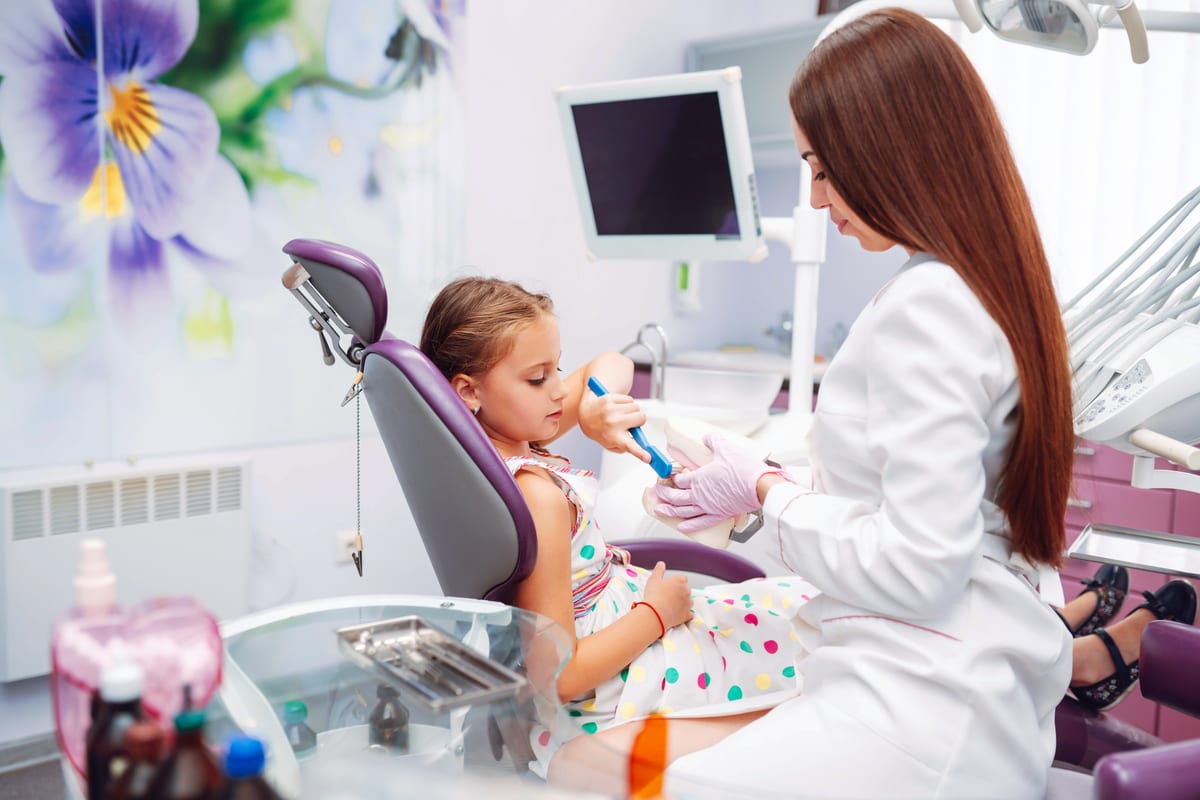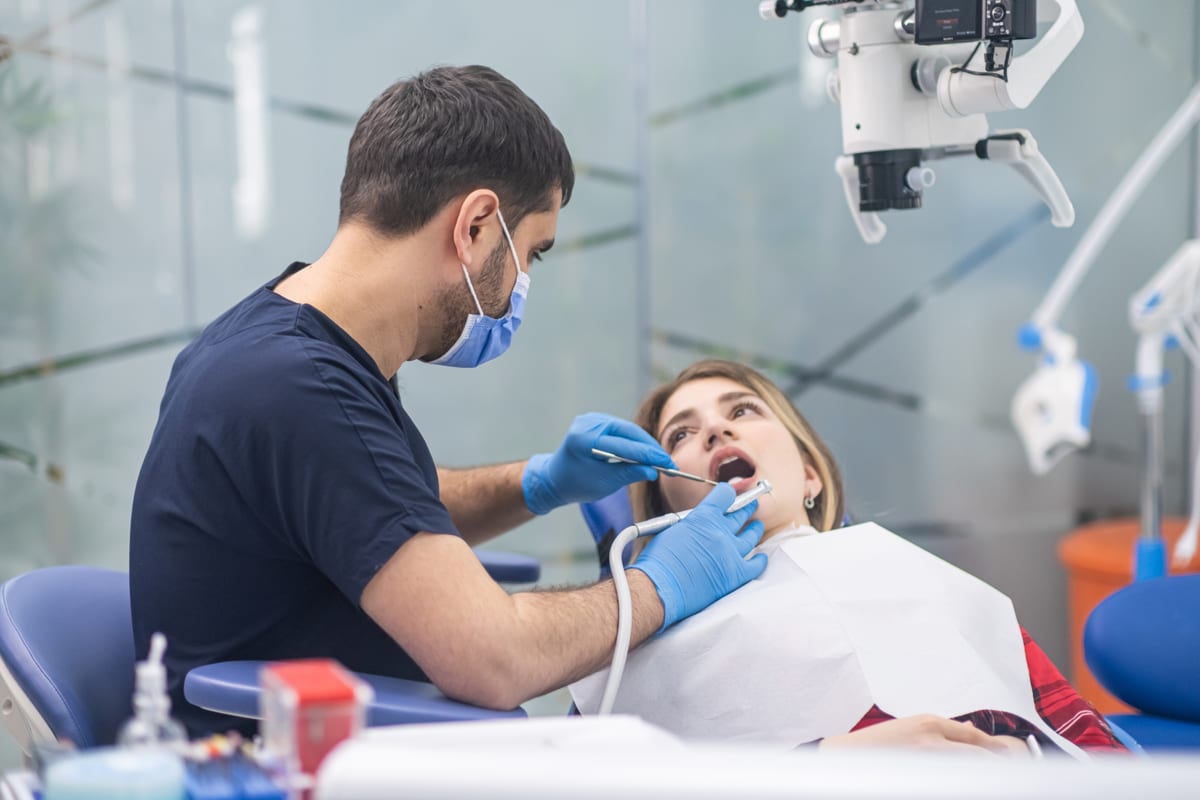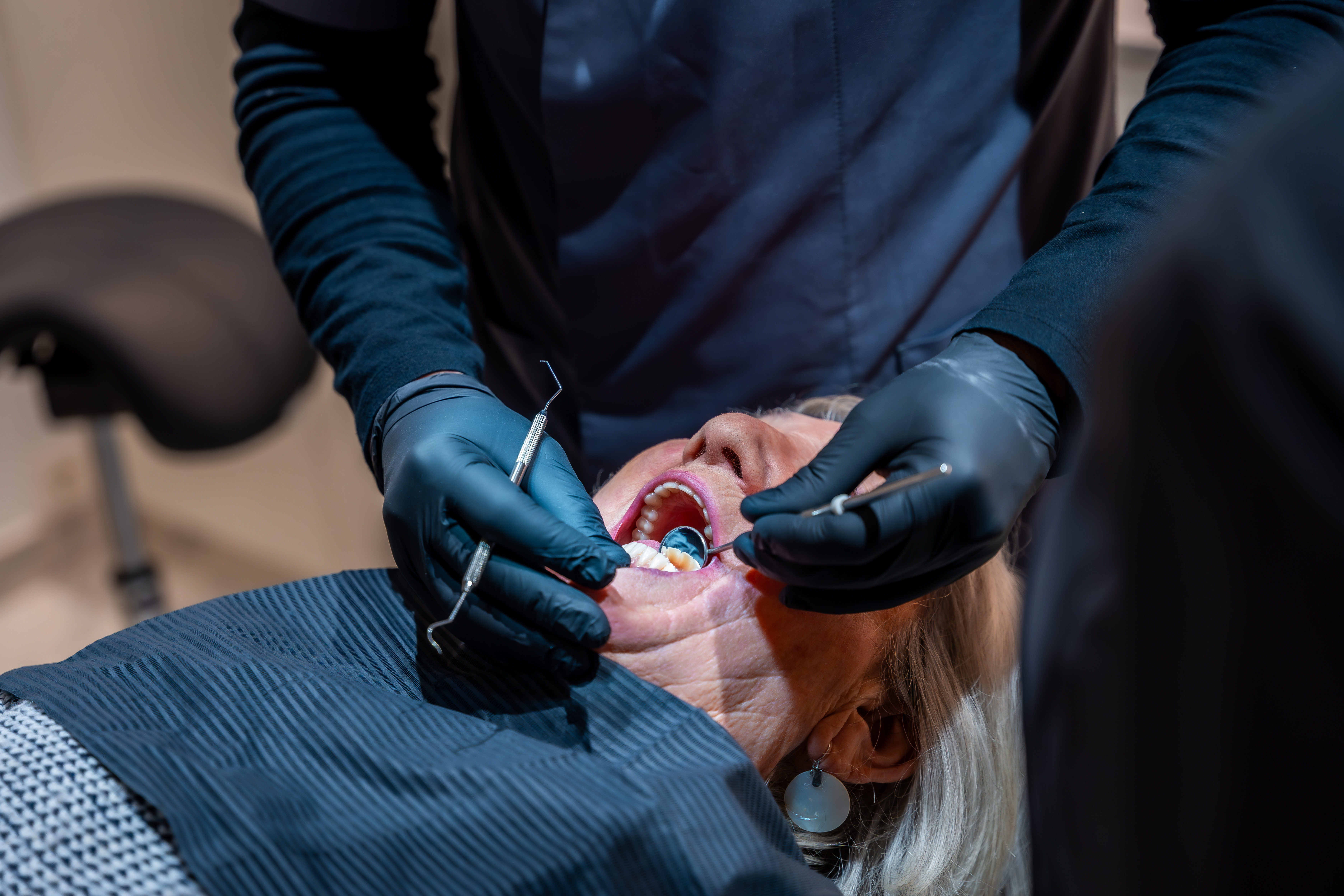
Tooth decay remains the most common chronic childhood disease in the United States — but the good news is it's almost entirely preventable. If you've been searching for practical advice on how to prevent cavities in kids, you're already taking the most important step: being proactive. With the right daily habits, smart dietary choices, and regular professional care, parents can dramatically reduce their child's risk of developing cavities — saving both pain and money down the road. This 2026 guide pulls together the latest pediatric dentistry guidance to help you build a solid foundation for your child's lifelong oral health.
Why Kids Are So Cavity-Prone (And Why It Matters)
According to the CDC, approximately 45% of children aged 2–19 have had cavities in their primary or permanent teeth. That's nearly one in two kids. Baby teeth may fall out eventually, but that doesn't make them expendable — untreated decay in primary teeth can cause pain, speech development issues, difficulty eating, and can even affect the alignment of incoming permanent teeth.
The biology of childhood makes cavities more likely: enamel on newly erupted teeth is thinner and less mineralised than mature adult enamel, and the deep grooves of molars are prime hideouts for cavity-causing bacteria like Streptococcus mutans. Add frequent snacking, juice boxes, and sometimes inconsistent brushing to the mix, and it's easy to see why cavities are so prevalent.
The Real Cost of Childhood Cavities
Beyond the health impact, cavities hit the wallet hard. In 2026, a single pediatric tooth filling can cost anywhere from $150 to $400 without insurance, while a pulpotomy (baby root canal) can run $300–$800. Dental sealants, by contrast, cost roughly $30–$60 per tooth and can prevent up to 80% of cavities in back teeth. Prevention is always the smarter investment.
Building a Bulletproof Brushing and Flossing Routine
The cornerstone of cavity prevention is consistent, effective oral hygiene at home. The American Academy of Pediatric Dentistry (AAPD) recommends brushing twice daily with fluoride toothpaste from the moment the first tooth appears — even before your baby's first birthday.
Age-by-Age Brushing Guide
- 0–3 years: Use a smear of fluoride toothpaste (the size of a grain of rice) on a soft infant toothbrush. Parents should do all the brushing.
- 3–6 years: Increase to a pea-sized amount of fluoride toothpaste. Parents should still assist and supervise.
- 6–8 years: Children can begin brushing independently, but parents should check and supervise until technique is reliable.
- 8+ years: Most children can brush independently, but regular check-ins on technique are still worthwhile.
Flossing should begin as soon as two teeth touch — often around age 2–3. Many parents find floss picks or kid-friendly interdental tools easier to manage than traditional floss for younger children. Electric toothbrushes designed for kids have been shown to remove up to 21% more plaque than manual brushing, making them a worthwhile upgrade for reluctant brushers.
Diet and Drink: The Hidden Cavity Triggers
What your child eats and drinks has an enormous impact on their cavity risk. Bacteria in the mouth feed on fermentable carbohydrates — sugars and starches — and produce acid as a byproduct. That acid is what erodes enamel and starts a cavity.
Foods and Drinks to Limit
- Sugary drinks: Juice, sports drinks, and flavoured milk all contain significant sugar. Even 100% fruit juice should be limited to 4 oz per day for toddlers.
- Sticky snacks: Gummy bears, dried fruit, crackers, and even granola bars cling to teeth long after eating, prolonging acid exposure.
- Frequent snacking: Every time your child eats, acid attacks begin. Aim for structured meal and snack times rather than grazing throughout the day.
- Sipping habits: Putting a baby or toddler to bed with a bottle of milk or juice is a leading cause of "baby bottle tooth decay."
Cavity-Fighting Foods to Encourage
Not all foods are cavity villains. Crunchy fruits and vegetables like apples, celery, and carrots stimulate saliva flow, which naturally neutralises mouth acid. Dairy products — cheese, plain yoghurt, milk — are rich in calcium and phosphate, which actively help remineralise enamel. Water (especially fluoridated tap water) is the single best drink for your child's teeth between meals.
Fluoride and Dental Sealants: Your Professional Defence Team
Home care is essential, but professional preventive treatments take cavity prevention to the next level. Two of the most evidence-backed tools in pediatric dentistry are fluoride treatments and dental sealants.
Fluoride Treatments
Professional fluoride varnish is applied by a dentist or hygienist in minutes and provides a concentrated burst of protection that strengthens enamel far beyond what toothpaste alone can achieve. The AAPD recommends fluoride varnish treatments every 3–6 months for children at elevated cavity risk. At most pediatric offices in 2026, fluoride varnish is included in a standard check-up visit or costs just $25–$50 out of pocket — a bargain compared to a filling.
Fluoridated water is another powerful, effortless tool. If your home uses well water or a filter that removes fluoride, ask your child's dentist about fluoride supplements.
Dental Sealants
Sealants are thin, protective coatings painted onto the chewing surfaces of back teeth (molars), where cavities most commonly develop. The CDC reports that sealants can prevent 80% of cavities in permanent back teeth — the teeth that do the most chewing work. They're typically applied when first permanent molars erupt (around age 6) and again when second molars come in (around age 12). Many dental insurance plans cover sealants 100% for children under 14, making this a no-brainer preventive step.
Regular Dental Visits: Catching Problems Before They Start
The AAPD recommends a child's first dental visit by their first birthday or within six months of the first tooth erupting — whichever comes first. Many parents wait until age 3 or 4, missing critical early-prevention windows. Bi-annual check-ups (every six months) allow your child's dentist to monitor enamel health, apply preventive treatments, and catch early-stage decay before it becomes a costly or painful problem.
Choosing the right pediatric dentist makes a huge difference, especially for children who are nervous about the chair. Look for a board-certified pediatric dentist (a specialist who completes two to three years of additional training after dental school), a child-friendly office environment, and a dentist who takes time to explain procedures in age-appropriate language. Reading verified reviews and comparing local options before booking can save you both time and stress.
Frequently Asked Questions
At what age should my child first see a dentist?
The American Academy of Pediatric Dentistry recommends scheduling your child's first dental appointment by their first birthday, or within six months of their first tooth appearing. Early visits allow the dentist to assess development, provide parent education, and establish a "dental home" before problems arise.
Is fluoride toothpaste safe for young children?
Yes — fluoride toothpaste is safe and recommended for children of all ages, including infants with their first teeth. The key is using the correct amount: a rice-grain smear for children under 3, and a pea-sized amount for ages 3 and up. At these quantities, the risk of fluorosis (white spots from fluoride overexposure) is minimal.
How do I know if my child has a cavity?
Early cavities often show no symptoms at all, which is why regular dental check-ups are so important. As decay progresses, your child may complain of tooth sensitivity to hot, cold, or sweet foods, visible dark spots or holes on teeth, or pain when biting. If you notice any of these signs, schedule a dental visit promptly — early intervention means smaller, less expensive fillings.
Are dental sealants worth it for baby teeth?
Sealants are most commonly applied to permanent molars, but in some cases — particularly for children at high cavity risk — a dentist may recommend sealing primary (baby) molars too. Since primary teeth hold space for permanent teeth and are needed for chewing and speech, protecting them has real value. Discuss your child's specific risk level with their dentist.
What's the best toothbrush for a child?
Look for a soft-bristled brush with a small head designed for children's mouths. Many pediatric dentists now recommend electric toothbrushes for children aged 3 and up, as they're more effective at plaque removal and often make brushing more fun. Replace toothbrush heads every three months or after any illness.
Can cavities spread from parent to child?
Yes — cavity-causing bacteria (primarily Streptococcus mutans) can be transmitted from parent to child through saliva. Sharing spoons, licking a pacifier to "clean" it, or kissing on the mouth can transfer bacteria to your baby's mouth. Parents with active cavities or a high bacterial load should be especially mindful of this, and address their own dental health as part of protecting their child's smile.
Conclusion
Learning how to prevent cavities in kids doesn't require a dentistry degree — it requires consistency, the right tools, and a great dental team in your corner. By establishing strong brushing and flossing habits early, making smart dietary choices, taking advantage of fluoride and sealant treatments, and committing to regular dental check-ups, you can give your child the gift of a healthy, pain-free smile that lasts a lifetime. Ready to find a trusted pediatric dentist near you? Visit Top5Dentists.com to compare top-rated local dentists, read verified patient reviews, and book your child's next appointment with confidence.