One of the most common questions new parents ask their pediatrician is: when should kids first see a dentist? The answer might surprise you — it's much earlier than most families expect. According to the American Academy of Pediatric Dentistry (AAPD), children should have their first dental visit by their first birthday or within six months of their first tooth erupting, whichever comes first. Getting a head start on your child's oral health isn't just about clean teeth — it lays the groundwork for a lifetime of confident, healthy smiles and helps prevent costly dental problems down the road.
The Right Age for a Child's First Dental Visit
Many parents assume they can wait until a child has a full set of teeth — or even until they start school — before booking a dental appointment. In reality, the first baby tooth typically appears between 6 and 12 months of age, and that's when dental care should begin. The AAPD, the American Dental Association (ADA), and the American Academy of Pediatrics all align on this recommendation: the first dental visit should happen by age one.
Starting early gives the dentist a chance to monitor tooth development, check for early signs of decay, and coach parents on proper at-home care. Studies show that children who see a dentist before age one are 40% less likely to need expensive restorative dental work by age five. Early visits also help normalise the dental environment for your child, reducing the risk of dental anxiety later in life.
What If My Child Already Has All Their Baby Teeth?
If your toddler already has a mouth full of primary teeth and hasn't yet seen a dentist, don't panic — just book an appointment as soon as possible. Children typically have all 20 primary (baby) teeth in place by around age three. Even if you've missed the ideal first-birthday window, starting dental care now is far better than waiting until there's a problem. Early childhood caries (commonly called baby bottle tooth decay) can develop rapidly, and it's one of the most prevalent chronic childhood conditions in the United States.
What Happens at a Child's First Dental Appointment
Parents who know what to expect are far more likely to feel calm — and calm parents mean calmer kids. A first pediatric dental visit is usually short (around 30–45 minutes) and focuses much more on education and familiarisation than on any kind of treatment.
A Typical First Visit Breakdown
- Gentle examination: The dentist will check erupted teeth, gums, jaw alignment, and oral tissues for any early signs of concern.
- Cleaning: A light cleaning and polish may be performed to remove any plaque buildup.
- Fluoride assessment: The dentist will discuss your local water fluoride levels and whether supplemental fluoride drops or varnish are appropriate.
- Parent coaching: You'll receive guidance on brushing techniques, teething, pacifier habits, thumb-sucking, and diet choices that affect oral health.
- X-rays (if needed): Dental X-rays are generally not taken at the very first visit unless a specific concern is spotted.
The overarching goal is to make your child feel comfortable and safe in the dental chair — building positive associations that will pay dividends for years to come.
How Much Does a Child's First Dental Visit Cost in 2026?
Cost is a real concern for many families. Here's the good news: a first pediatric dental exam is one of the most affordable dental appointments you'll encounter. In 2026, the average cost of a child's first dental exam and cleaning ranges from $50 to $150 without insurance, depending on your location and the provider.
Does Insurance Cover Pediatric Dental Visits?
In most cases, yes — and significantly so. Under the Affordable Care Act (ACA), pediatric dental care is classified as an Essential Health Benefit for children under 19. Most private insurance plans and all Medicaid/CHIP programs cover preventive dental visits (including exams, cleanings, and fluoride treatments) at 100% with no out-of-pocket cost when you see an in-network provider. If your child doesn't yet have dental coverage, plans purchased through the Health Insurance Marketplace must include pediatric dental benefits. Always verify your specific plan details, as coverage can vary by state and insurer.
Choosing the Right Dentist for Your Child
Not all dental offices are created equal when it comes to treating young patients. You have two main options: a pediatric dentist (pedodontist) or a family dentist who sees children. Both can provide excellent care, but there are meaningful differences to consider.
Pediatric Dentist vs. Family Dentist: Which Is Better for Kids?
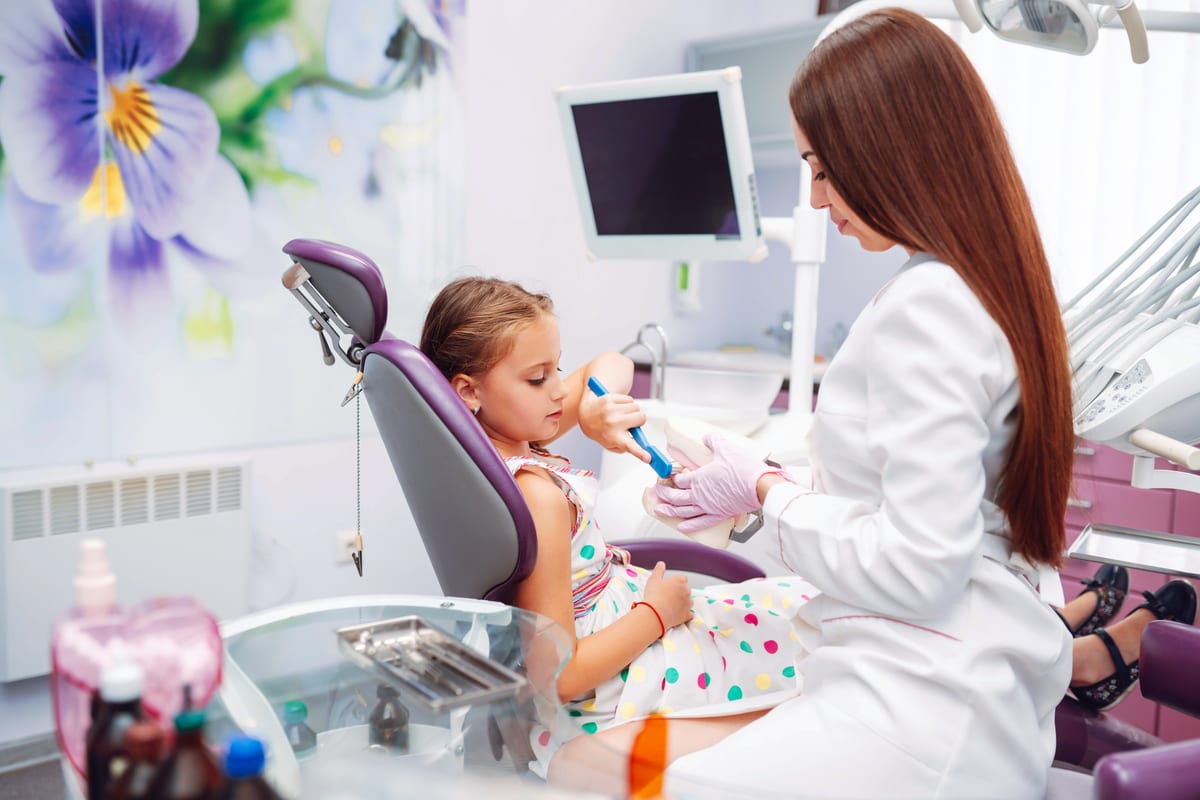
Pediatric dentists complete two to three additional years of specialty training after dental school, focusing exclusively on the oral health needs of infants, children, adolescents, and patients with special needs. Their offices are typically designed with children in mind — think bright colours, fun decor, and child-sized equipment — which helps ease dental anxiety. They are also specially trained in behaviour management techniques and sedation dentistry for anxious young patients.
Family dentists, on the other hand, offer the convenience of treating the whole family in one place. Many family dentists are highly experienced with children and provide equally excellent care. The best choice depends on your child's temperament, any special health considerations, and what's available in your area. When evaluating providers, look for dentists who are members of the AAPD, have strong parent reviews, and offer a welcoming environment for little ones.
Tips for Making the First Visit a Positive Experience
A child's attitude toward dental care is often shaped by their very first appointment. Here are research-backed strategies to set the stage for success:
- Start the conversation early. Read picture books about visiting the dentist (classics like The Berenstain Bears Visit the Dentist work well) and talk about it in positive, matter-of-fact terms.
- Play pretend dentist at home. Let your child count your teeth and then count theirs. Familiarity reduces fear.
- Choose morning appointments. Young children are typically more cooperative and less fatigued earlier in the day.
- Avoid negative language. Words like "hurt," "needle," or "drill" can plant unnecessary fear. Let the dental team introduce their own kid-friendly vocabulary.
- Stay calm yourself. Children are highly attuned to parental anxiety. If you're relaxed, they're more likely to be relaxed.
- Celebrate afterward. A small, non-sugary reward (a sticker, a trip to the park) reinforces that dental visits are something to feel proud of.
Frequently Asked Questions
When should kids first see a dentist if they have no teeth yet?
If your baby has no teeth by their first birthday, it's still recommended to schedule a dental visit. The dentist will examine the gums, check for any developmental concerns, and provide guidance on what to expect as teeth begin to erupt. It's also an ideal time to establish a "dental home" for your child.
Are baby teeth really that important if they're just going to fall out?
Absolutely. Primary teeth serve critical functions: they help children chew properly, support speech development, and hold space in the jaw for permanent teeth. When baby teeth are lost too early due to decay or trauma, neighbouring teeth can shift, potentially leading to orthodontic problems and increased treatment costs later on.
How often should children visit the dentist after their first appointment?
The standard recommendation is every six months for a checkup and cleaning, just like adults. However, some children with a higher risk of cavities may benefit from more frequent visits — every three to four months. Your child's dentist will advise you on the right schedule based on their individual oral health needs.
What is baby bottle tooth decay and how can I prevent it?
Baby bottle tooth decay (early childhood caries) occurs when sugary liquids — including milk, formula, and juice — pool around a baby's teeth, usually from prolonged bottle or breastfeeding at night. To prevent it: never put your baby to bed with a bottle containing anything other than water, begin wiping gums with a damp cloth before teeth erupt, and start brushing with a smear of fluoride toothpaste as soon as the first tooth appears.
At what age should children start brushing their own teeth?
Children typically develop the manual dexterity to brush effectively on their own around age six or seven — roughly when they can tie their own shoelaces. Until then, parents should brush for them or supervise closely. Use a rice-grain-sized smear of fluoride toothpaste for children under three, and a pea-sized amount for ages three to six.
What if my child is terrified of the dentist?
Dental anxiety in children is common and very manageable. Start with a low-pressure "meet and greet" visit at the dental office to build familiarity. Seek out a pediatric dentist experienced in behaviour management. For children with significant anxiety, options like nitrous oxide (laughing gas) or other mild sedation techniques are safe and widely used. The earlier you address dental fear, the easier it becomes to manage over time.
Conclusion
Understanding when should kids first see a dentist is one of the most important steps a parent can take to protect their child's long-term health. The answer is clear: by age one, or within six months of that first tiny tooth appearing. Early visits establish healthy habits, catch problems before they escalate, and — crucially — help your child grow up seeing dental care as a normal, positive part of life rather than something to dread. The investment in preventive care now saves significant time, discomfort, and expense in the years ahead. Ready to find a trusted, top-rated pediatric dentist near you? Visit Top5Dentists.com to browse vetted local providers, read real patient reviews, and book your child's first appointment with confidence.