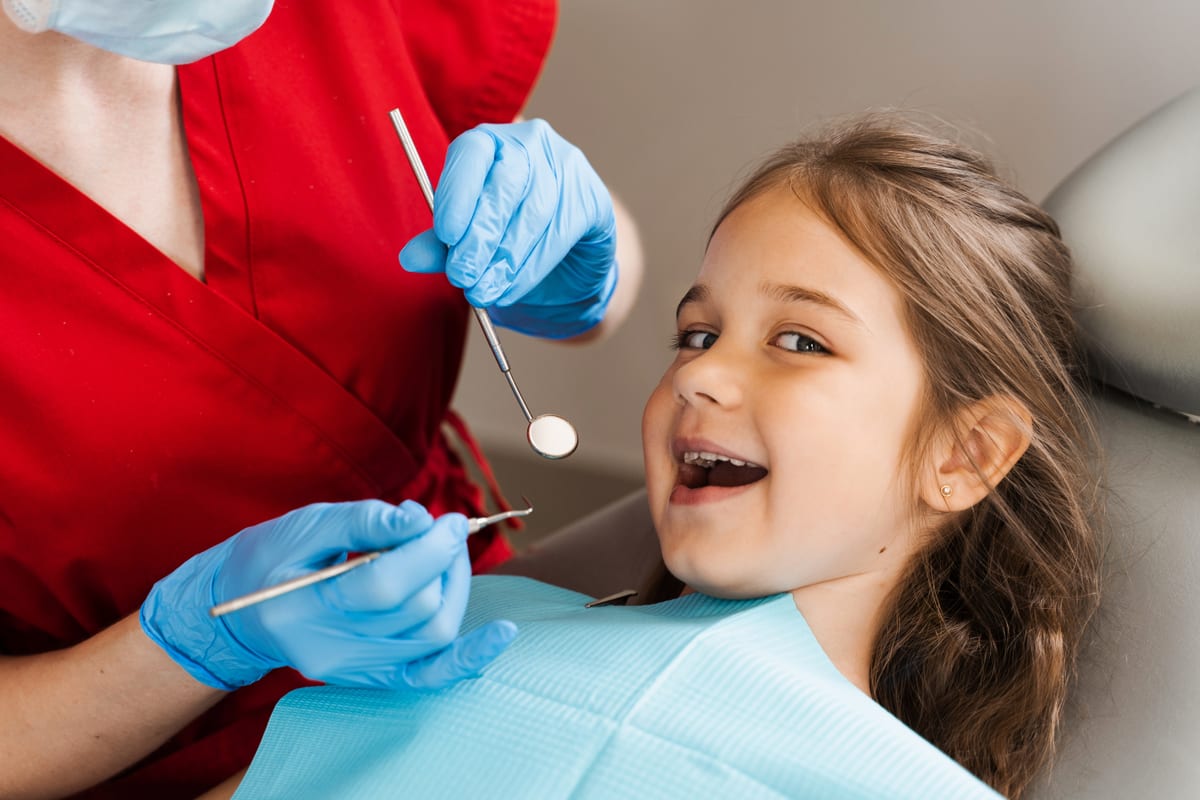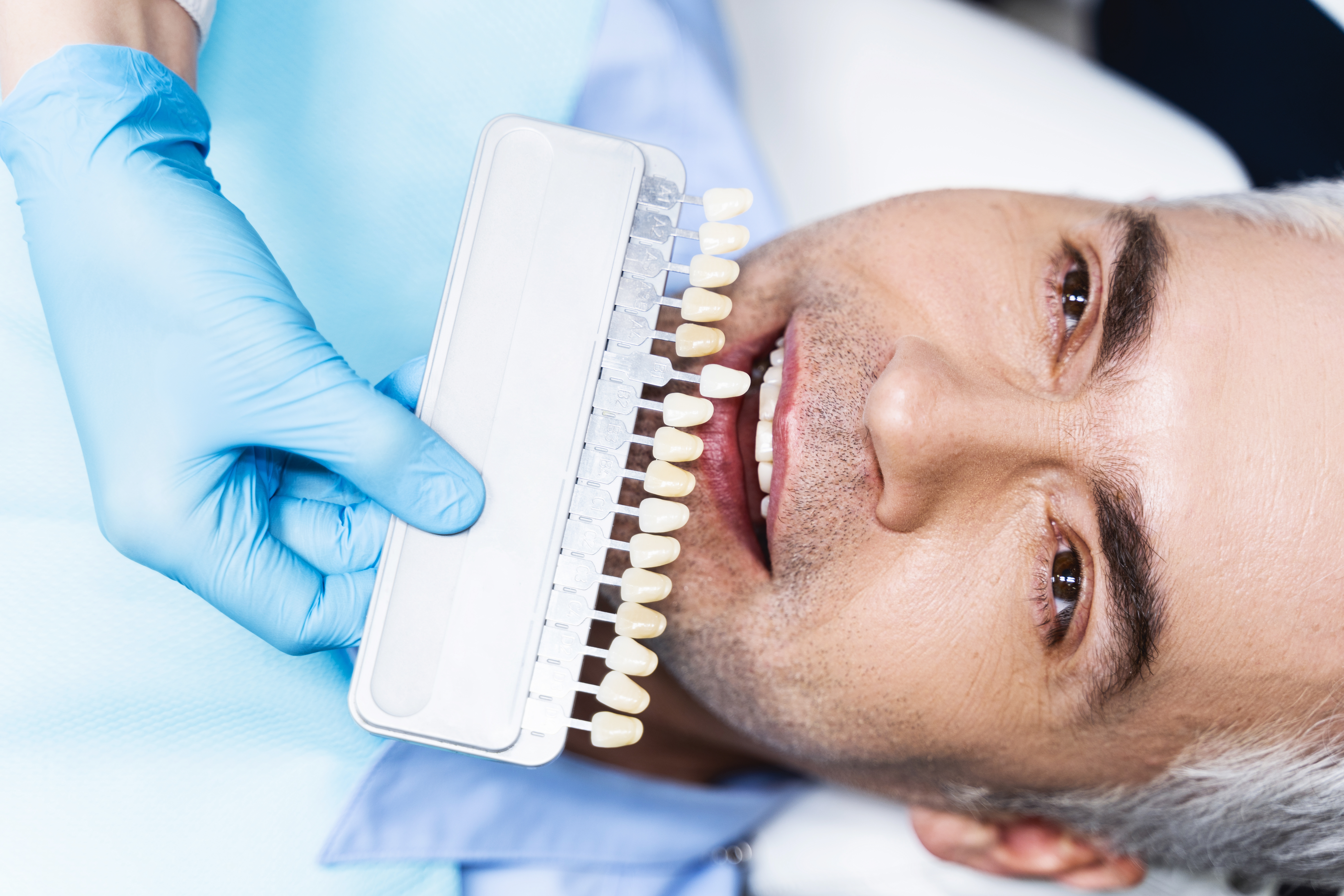
One of the most common questions parents ask their family dentist is: when should kids see an orthodontist? It's a fair question — and the answer might surprise you. Most people assume orthodontic treatment is a teenage milestone, but leading dental organisations recommend a first orthodontic evaluation much earlier than that. Getting the timing right can mean simpler treatment, lower costs, and a healthier smile for life. This 2026 guide breaks down everything parents need to know, from the recommended age for a first visit to the warning signs that your child needs to be seen sooner rather than later.
The Recommended Age for a First Orthodontic Visit
The American Association of Orthodontists (AAO) recommends that children have their first orthodontic screening by age 7. At this point, most kids have a mix of baby teeth and permanent teeth, giving an orthodontist a clear picture of how the jaw is developing and where the adult teeth are likely to erupt.
An early evaluation doesn't automatically mean early treatment. In fact, the majority of children seen at age 7 are simply monitored over time. But for some kids, catching a developing problem at this stage — before the jaw finishes growing — opens the door to simpler, less invasive corrections.
Why Age 7 Is the Sweet Spot
By age 7, the first adult molars have typically come in, establishing the back bite. An orthodontist can now assess front-to-back and side-to-side tooth relationships, spot crowding early, and detect jaw discrepancies that are far easier to correct while the bones are still malleable. Waiting until the teens means working with a fully developed jaw — sometimes requiring more complex intervention such as tooth extractions or even jaw surgery.
What Happens at the First Visit?
A first orthodontic evaluation is usually free or low-cost — many orthodontic practices offer complimentary consultations for children. The orthodontist will conduct a visual examination, may take X-rays, and will discuss any concerns with you. You'll leave with a clear picture of whether your child needs treatment now, in a few years, or possibly not at all.
Early Warning Signs Your Child Needs an Orthodontist Sooner
While age 7 is the standard benchmark, some children need to be evaluated earlier. If you notice any of the following signs, don't wait — book a consultation as soon as possible.
Bite and Jaw Problems to Watch For
- Crossbite: Upper teeth sitting inside the lower teeth when biting down.
- Underbite: Lower jaw jutting forward, making the lower teeth sit in front of the upper teeth.
- Open bite: A gap between the upper and lower front teeth even when the back teeth are closed.
- Severe overbite: Upper front teeth covering more than a third of the lower front teeth.
- Jaw clicking, popping, or shifting when opening or closing the mouth.
Tooth and Habit-Related Red Flags
- Prolonged thumb-sucking or dummy (pacifier) use past age 4, which can reshape the palate.
- Difficulty chewing or biting food.
- Mouth breathing or snoring, which can indicate a narrow airway linked to jaw development.
- Baby teeth falling out much earlier or later than expected.
- Noticeably crowded, misplaced, or blocked-out teeth.
- Speech difficulties such as lisping.
The earlier these issues are identified, the greater the range of interceptive treatment options available — and the less invasive those options tend to be.
Phase 1 vs Phase 2 Orthodontic Treatment Explained
If your child does need orthodontic treatment, it often falls into one of two phases. Understanding this helps set realistic expectations.
Phase 1: Early Interceptive Treatment (Ages 6–10)
Phase 1 treatment typically takes place between ages 6 and 10, while the child still has a mix of baby and adult teeth. The goal isn't a perfect smile at this stage — it's to correct skeletal problems, create space for incoming permanent teeth, and reduce the risk of more serious issues later on. Common Phase 1 appliances include:
- Palate expanders — widen a narrow upper jaw to correct crossbites and create room for adult teeth.
- Partial braces — address specific teeth in isolation.
- Space maintainers — hold space open after early baby tooth loss.
- Functional appliances — influence jaw growth direction in children with significant over- or underbites.
Phase 1 treatment typically lasts 9–18 months, followed by a resting period of monitoring before Phase 2 begins.
Phase 2: Full Orthodontic Treatment (Ages 11–14)
Phase 2 is what most people picture when they think of braces — a full set of brackets and wires (or clear aligners) applied once most or all permanent teeth have erupted. The goal here is to achieve a balanced, functional, and aesthetic final result. In 2026, Phase 2 options include traditional metal braces, ceramic braces, lingual braces, and clear aligner systems designed specifically for teens.
Not every child needs both phases. Many children with mild to moderate issues can be treated successfully with Phase 2 alone, which is exactly why the age-7 screening is so valuable — it helps determine which path is right for your child.
How Much Does Pediatric Orthodontic Treatment Cost in 2026?
Cost is understandably a major concern for families. Here's a realistic breakdown of what to expect in 2026:
- Phase 1 treatment: $1,500–$3,500 on average
- Phase 2 (traditional braces): $3,000–$7,000
- Clear aligners for teens: $3,500–$8,000
- Retainers (post-treatment): $150–$600 per retainer
Many orthodontic practices offer in-house payment plans with little or no interest, breaking costs into manageable monthly instalments. Dental insurance often covers a portion of orthodontic treatment — typically a lifetime maximum of $1,000–$2,500 per child. If your child qualifies for Phase 1 treatment, some insurers count this separately from Phase 2 benefits, effectively doubling your coverage. Always verify your plan's specifics before starting treatment.
Tips for Reducing Orthodontic Costs
- Get at least two or three consultation opinions — quotes can vary significantly.
- Ask about in-house membership plans if you don't have dental insurance.
- Use a Flexible Spending Account (FSA) or Health Savings Account (HSA) to pay with pre-tax dollars.
- Ask whether early treatment now will reduce the complexity (and cost) of future Phase 2 treatment.
How to Choose the Right Orthodontist for Your Child
Not all orthodontists are equal in experience, approach, or technology. Here's what to look for when selecting a provider for your child:
Qualifications and Specialisation
An orthodontist is a dentist who has completed an additional 2–3 years of postgraduate training specifically in orthodontics. Always verify that any provider you consider is a board-certified or board-eligible orthodontist — not just a general dentist offering orthodontic services on the side. Membership in the AAO or your country's equivalent professional body is a reliable quality indicator.
Child-Friendly Environment and Communication
Look for a practice that makes children feel comfortable and welcomed. A good orthodontist will take time to explain findings to both you and your child in age-appropriate language, provide a clear written treatment plan, and outline all associated costs before asking you to commit. Red flags include pressure to start treatment immediately without a clear clinical rationale, or vague cost estimates.
Frequently Asked Questions
At what age should a child first see an orthodontist?
The AAO recommends that children have their first orthodontic screening at age 7. By this point, enough permanent teeth have erupted to allow an orthodontist to identify developing problems with jaw alignment, bite, and spacing — even if active treatment isn't needed yet.
Is age 7 really necessary, or can we wait until the teens?
For many children, waiting until the early teens is perfectly fine. However, some issues — such as crossbites, severe underbites, or significantly narrow palates — are far easier and less expensive to correct during the growth years. An early evaluation simply confirms whether your child is in the "wait and monitor" category or the "treat now" category.
What if my child is already 10 or 12 — have we missed the window?
Absolutely not. While some interceptive treatments are most effective earlier, the majority of orthodontic work happens during Phase 2 (ages 11–14). Even adults in their 30s, 40s, and beyond are successfully treated with braces and clear aligners. It's never too late — but earlier evaluations do maximise options.
Does my child need a referral from a dentist to see an orthodontist?
In most cases, no. You can book a consultation with an orthodontist directly, without a referral. That said, your child's regular dentist is often the first person to spot potential orthodontic issues during routine check-ups, so maintaining consistent six-monthly dental visits is still important.
Will my child definitely need braces after an early evaluation?
No. Many children who are evaluated at age 7 simply need periodic monitoring, with no active treatment until Phase 2 — or sometimes none at all. The evaluation is purely diagnostic and doesn't commit you to any treatment plan.
How do I know if my child's orthodontic treatment is covered by insurance?
Check your dental insurance policy for an "orthodontic lifetime maximum" — this is the total amount your insurer will contribute toward braces over your child's lifetime. Typical amounts range from $1,000 to $2,500 in 2026. Call your insurer directly and ask whether Phase 1 and Phase 2 treatments are treated as separate benefits, as this can significantly increase your total coverage.
The Bottom Line: Don't Wait to Book That First Visit
Understanding when should kids see an orthodontist is one of the most important steps a parent can take for their child's long-term dental health. The AAO's recommendation is clear: age 7 is the ideal time for a first screening — but earlier if you notice any warning signs. Early evaluation doesn't mean early treatment; it means early awareness and the best possible options if treatment is needed. With costs ranging widely and insurance benefits available to most families, taking that first step has never been more accessible.
Ready to find a trusted orthodontist or pediatric dentist near you? Visit Top5Dentists.com to compare top-rated dental and orthodontic providers in your area — and give your child's smile the best possible start.